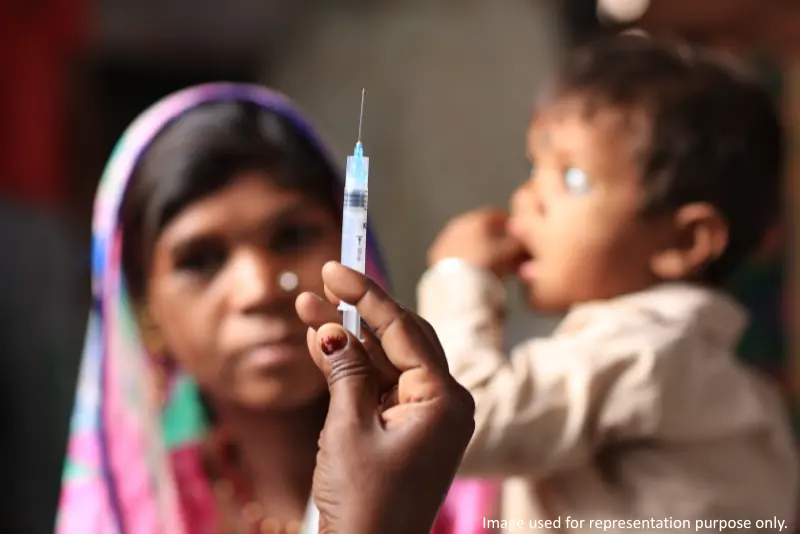
How is CRY UK addressing vaccine hesitancy in rural India?
In underserved regions, families often navigate multiple barriers when it comes to healthcare. Misinformation around children’s vaccines, lack ....
Read More
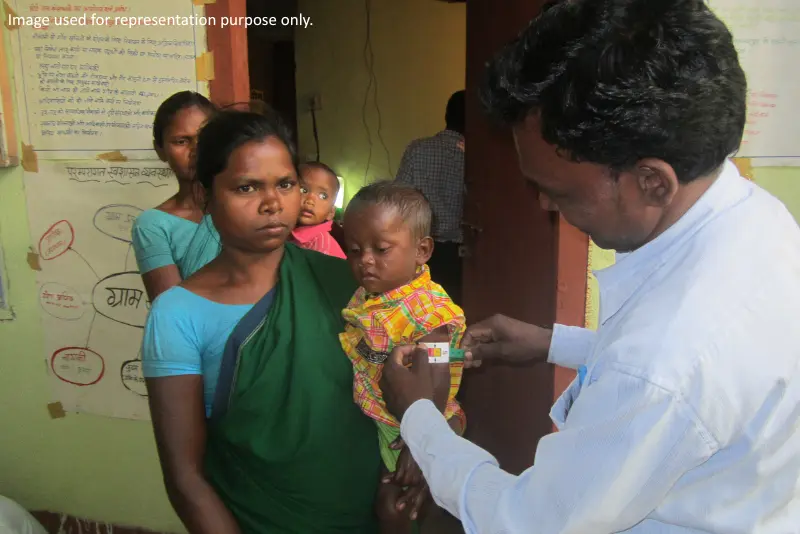
In the earliest years of life, timely healthcare can shape a child’s future. Vaccinations for newborns build foundational immunity, protecting children from life-threatening diseases. Yet, across communities, vaccine hesitancy across parents and caregivers continues to delay this protection. While vaccines are widely available for newborn and infant children, they do not always reach every child on time. Often, the challenge is not access alone, but several other factors.
In today’s blog, let’s understand what vaccine hesitancy is, how it affects children, the reasons behind it, and what CRY UK is doing to bridge the gap.
What is vaccine hesitancy?
Vaccine hesitancy refers to the delay in acceptance or refusal of vaccines by primary caregivers for newborns and infants, despite their availability. It is often rooted in fear, lack of awareness, or limited confidence in the safety and importance of immunisation. This hesitation does not always mean outright refusal. In many cases, it shows up as delayed decisions, missed schedules, or uncertainty about when and why vaccines are needed.
How vaccine hesitancy affects children?
When children under three years of age do not get vaccinated on time, they are more prone to catch serious but preventable diseases like measles, whooping cough, and polio. With weaker immunity, they are at a higher risk of prolonged illness that may require extended treatment or even hospital care. This not only affects their health but also disrupts their daily life, including missing school, interrupting their education, and impacting their early growth and development.
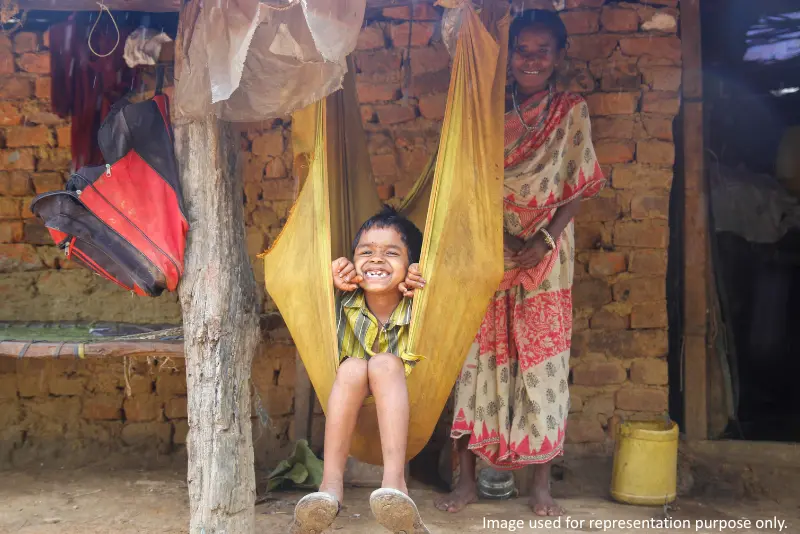
It can also put emotional and financial stress on families. When many children remain unvaccinated, diseases can spread more easily in the community, putting even more children at risk.
Why does vaccine hesitancy happen?
Behind every missed or delayed vaccination of newborns is a set of underlying factors that shape how families make decisions about healthcare. Let’s look at the factors:
How CRY UK is driving change
CRY UK’s project teams focus on ensuring timely infant vaccination and closely monitoring each child’s immunisation schedule during the critical early years of life. They work closely with pregnant and lactating mothers, forming Mother’s Groups to encourage open conversations around vaccine hesitancy.
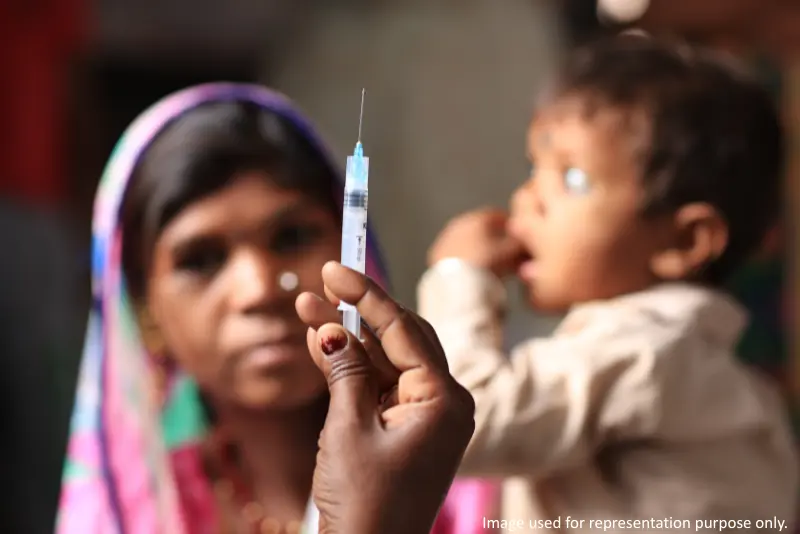
The teams also support mothers in registering with Anganwadi centres to access essential antenatal and postnatal care, while collaborating with frontline health workers to raise awareness about the importance of timely immunisation.
Parvatiben leading the way in children’s immunisation
In a remote village of North India, Parvatiben faced significant fears regarding vaccinations after her daughter experienced swelling from the BCG vaccination. Hesitant to immunise her child for the 2nd time with the Penta-1 vaccine, she sought help from the CRY team.
Through intensive education sessions, community meetings, and personalised support, she was empowered with the necessary knowledge about vaccine safety. The project team made consistent follow-up visits to address her fears and monitor her child's progress. Parvatiben was accompanied by the CRY team during clinic visits to foster a sense of security. Her child received all three doses of the Penta vaccine.
Today, Parvatiben is an advocate for immunisation in her community, inspiring others to combat fears and social stigmas around health.
Vaccine hesitancy is not just about refusal, it is often about uncertainty. But this uncertainty can turn into clarity when caregivers are informed, educated, have access to the right resources, and are supported throughout the process. Support CRY UK to help give children a healthier start in life.
In underserved regions, families often navigate multiple barriers when it comes to healthcare. Misinformation around children’s vaccines, lack ....
Read More
When we think of vulnerable children in India, we often picture poverty, child labour, lack of schooling, or early marriage. These challenges are....
Read More