We often measure educational progress through enrolment numbers, literacy rates and the number of schools built. But do these numbers tell us whether children are actually learning, enjoying school or getting the opportunity to complete their education? Access to education is only one part of the picture. What happens inside schools, at home and within communities matters just as much in determining whether children can continue learning.
In today's blog, let's explore 10 key ways to strengthen education and improve school retention, along with understanding how CRY UK works at the grassroots and systemic levels to help children learn, thrive and dream big!
10 ways to help children stay in school and thrive
Let’s take a closer look at the key areas we can strengthen to ensure children don’t just enrol, but stay in school, continue learning and dream big!
Create safe and inclusive learning environments: When children experience bullying, discrimination or corporal punishment, they may feel fearful, excluded or reluctant to attend school. Creating a safe and welcoming environment where every child, irrespective of their gender, caste, background or abilities, feels respected and included is important. It encourages children to participate freely and continue their education.
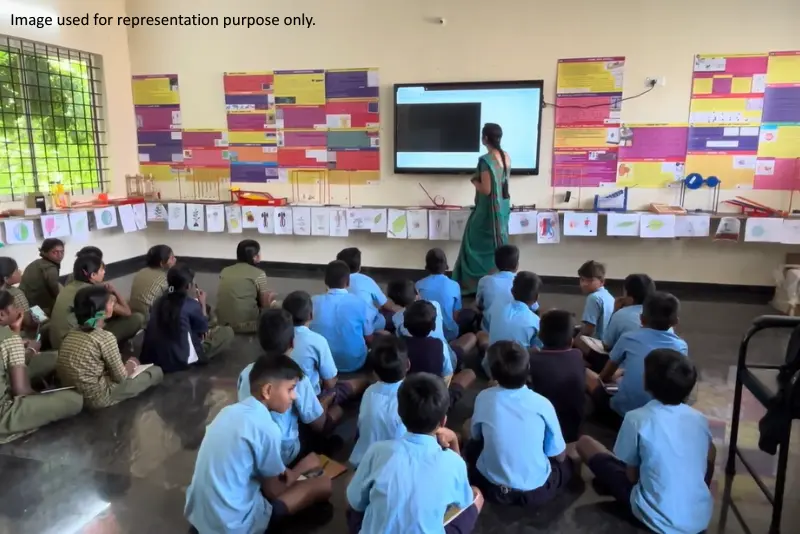
Invest in teacher training and better classroom practices: When teaching methods do not account for different learning abilities, pace and needs, some children may struggle to understand lessons and gradually fall behind. Regular teacher training can equip educators to recognise these differences and adapt their classroom practices through activity-based teaching, individual attention and interactive learning, helping every child participate and learn with confidence.
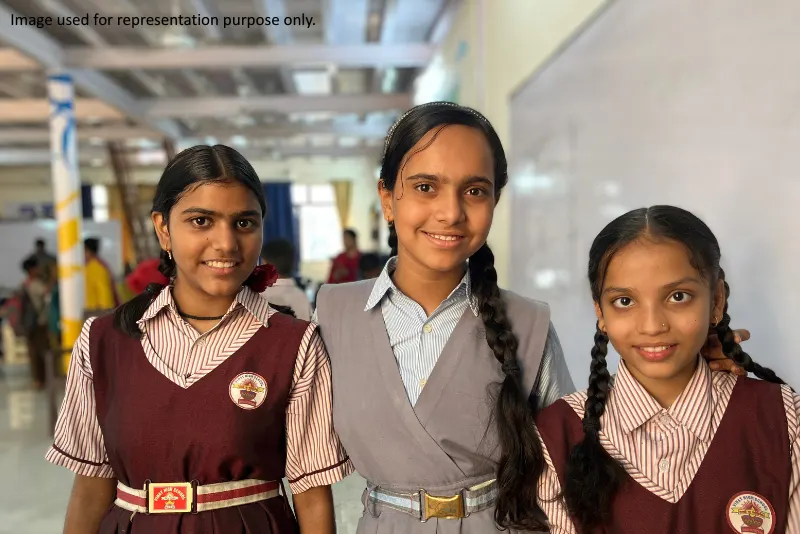
Ensure access to learning materials and resources: Lack of textbooks, stationery, uniforms and teaching aids can make it harder for children to participate fully in school. For children from vulnerable backgrounds or those who have experienced interruptions in their education, these essentials can mean much more than just school supplies. A new uniform, a set of books or stationery can bring back the excitement of learning, help them feel included and give them the confidence to settle into school and start afresh.
Address financial barriers to education: For families facing financial hardships, expenses on uniforms, books, stationery and transport can make it difficult to keep children in school. In some cases, children may also be expected to work or take on household responsibilities. Connecting families with financial assistance, scholarships and relevant government social protection schemes can ease these pressures and help children continue their education.
Promote gender equality in education: Gender discrimination, early marriage, household responsibilities and safety concerns often restrict girls' access to education and force many to discontinue their studies. Gender-sensitive facilities, safe routes to school, supportive teachers and conversations with families can help challenge these barriers, encourage girls' participation and give them equal opportunities to pursue their aspirations.
Identify and support children at risk of dropping out: Irregular attendance, declining classroom participation and difficulty keeping up with lessons can be early signs that a child may drop out. When these signs go unnoticed, children risk becoming further disconnected from school. Regular follow-ups, home visits and conversations with families can help teachers and community members identify underlying challenges and provide timely support.
Strengthen foundational literacy and numeracy: Children who struggle with reading, writing and basic mathematics often find it difficult to understand more advanced concepts as they progress through school. These learning gaps can affect their confidence, participation and interest in studies. Regular practice, interactive activities and additional academic support can help children strengthen these essential skills and keep pace with their education.
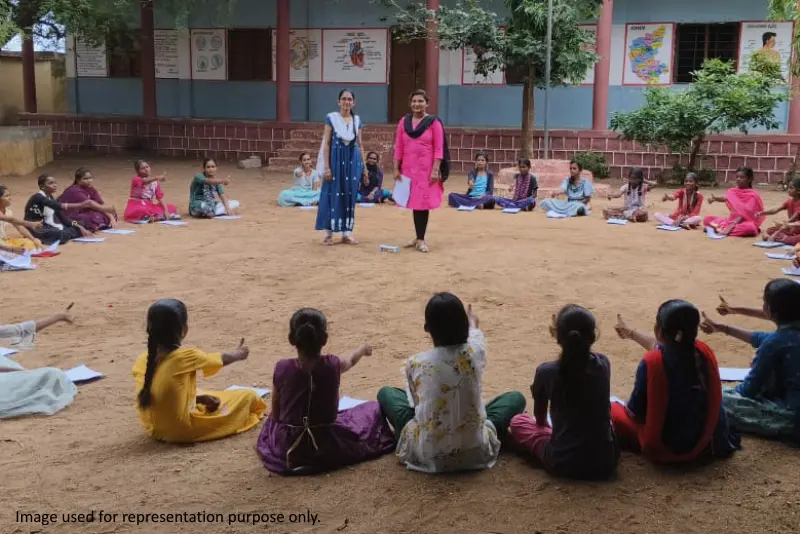
Encourage parental and community participation: When parents are unaware of their children's learning needs or are not involved in school activities, educational concerns can go unnoticed. School Management Committees (SMCs), parent-teacher meetings, Mothers' Groups and adolescent collectives can encourage families and communities to participate more actively, raise concerns and hold schools accountable for children's education.
Provide emotional and academic support to students: Emotional distress, family challenges, peer pressure and academic difficulties can affect children's ability to concentrate and engage with school. Without the right support, these challenges may lead to withdrawal and irregular attendance. Mentoring, peer-learning opportunities, counselling where needed and additional academic assistance can help children overcome difficulties and feel more connected to their education.
Monitor school attendance and learning outcomes: Without regular monitoring, schools may fail to notice prolonged absences or learning gaps until they become harder to address. Maintaining attendance records and conducting regular learning assessments can help identify children who need additional support. Following up with children and families and addressing the reasons behind these gaps can help improve learning outcomes and prevent dropouts.
What is CRY UK doing to ensure children thrives in school
Through its grassroots partner organisations in India, CRY UK's project teams work with children, families, schools and communities to strengthen systems that support children's education. At Child Activity Centres (CACs), children access safe, inclusive spaces, remedial classes and individual attention to build foundational skills and confidence. CRY also supports access to learning resources and government entitlements, while engaging teachers and school bodies to improve classroom practices and monitor attendance and learning progress.
CRY UK’s project staff work with communities to identify children at risk of dropping out, address gender-based barriers and support children's emotional well-being. By linking parents to sustainable livelihood opportunities, CRY also addresses financial insecurities that often disrupt children's education, helping families support their children's continued learning rather than having them contribute to household income.