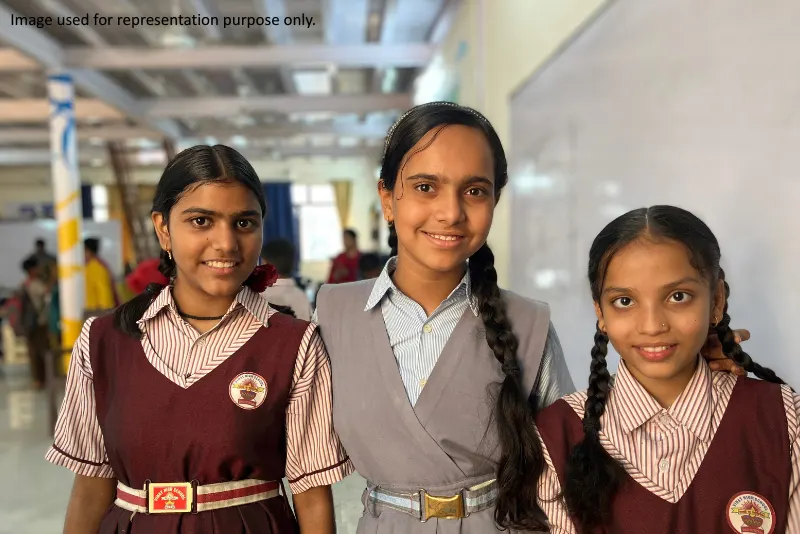
What starts to change when girls stay in school?
For many underserved girls in India, childhood ends too soon. Housework, caregiving, labour, and early marriage consume the years meant for learn....
Read More
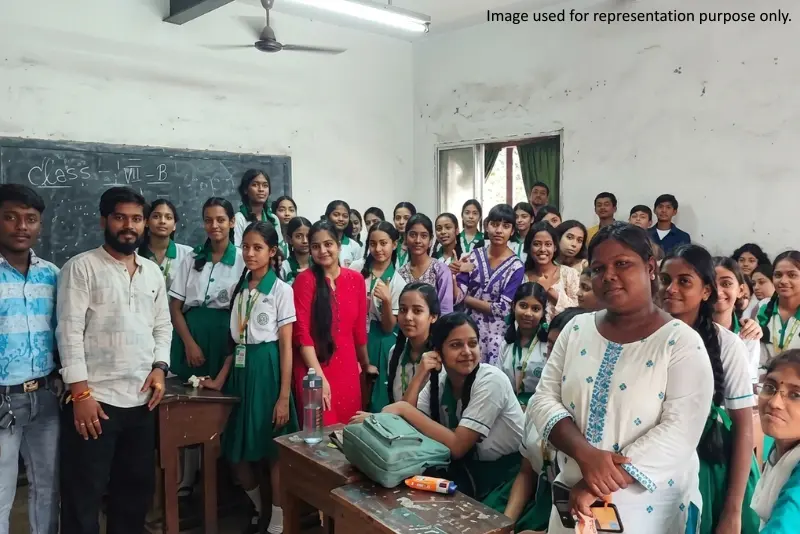
A child’s place in school can depend on much more than whether there is a school nearby. According to the latest UDISE+ 2024–25 estimate, around 1 in 6 children aged 6–17 years in India is out of school. Behind this number are children imposed with household responsibilities, financial pressures, poor health, migration and other circumstances that can interrupt their education.
In today’s blog, let’s look at some of these challenges and how CRY UK is making a difference to ensure more children can continue their education.
Poverty and migration
For families facing financial hardship, survival precedes education. Children may take on household responsibilities, care for younger siblings or contribute to the family’s income, leaving less time for school and learning. Migration adds to this disruption. When families move in search of work, children may have to leave school, adjust to a new system and start their education again, or even drop out of school.
Child labour
When a family’s income falls short, parents may need more earning hands to [OP8] make ends meet. Children often face the brunt of it. Balancing work with education can take a significant toll on a child’s physical and mental wellbeing, leaving limited time and energy for learning. Over time, falling behind can make it harder for children to keep up with their studies, while the pressure to earn can leave them with little choice but to leave school.
Malnutrition and health
A child who is hungry or unwell cannot be expected to learn at their best. Poor nutrition affects children’s development, concentration and participation in school. Frequent illness leads to missed school days and lost learning. For children living in remote or difficult terrain, accessing healthcare adds another barrier. Long journeys to health facilities mean more time away from school.
Gender inequality and child marriage
For many girls, education competes with expectations placed on them at home and in their communities. Caring for younger siblings, collecting water and taking on household work can leave little time for education.
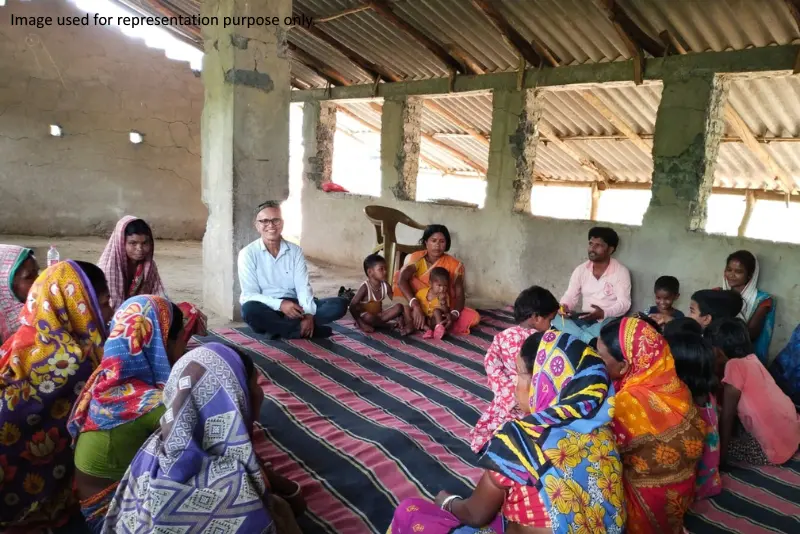
Menstrual hygiene creates another barrier. Without access to period products, safe sanitation and accurate information, girls often miss school during their periods. In many families facing financial hardship, girls are seen as an additional responsibility, often pushing them towards child marriage.
Challenging geographical terrains
Children living in remote villages and hilly areas may travel long distances to reach school. Inadequate sanitation, learning resources and other infrastructure can make regular attendance even harder. For children with disabilities, inaccessible buildings and limited support create further barriers.
Language also shapes a child’s experience of education. For children from tribal and minority communities, unfamiliarity with the regional language used in schools can make it harder to understand lessons and participate fully.
Climate change
Extreme weather is making it harder for children to stay in school. During the summer months, scorching heat can lead to prolonged school closures, disrupting children’s education for weeks or even months. In many remote communities, children already travel several kilometres to reach primary schools, while secondary and higher secondary schools are even farther away.
Floods make this challenge worse. Roads become inaccessible, schools may remain closed and children are unable to attend for extended periods. These prolonged gaps in education can lead to learning losses and make it harder for children to keep up with their studies, while repeated disruptions can increase the risk of dropping out.
How is CRY UK making a difference?
CRY UK works with children, families, communities, schools and local stakeholders to improve access to education, health and nutrition, while strengthening child protection and preventing child labour and child marriage. Let’s find out how:
Enrolling children and supporting those who have dropped out
CRY works with communities to enrol first generation learners and re-enrol children who have dropped out through awareness sessions and door to door household visits, engaging parents, teachers, panchayats and other local stakeholders.
Providing learning support through Child Activity Centres
When children do not have access to tuition or support at home, falling behind becomes harder to overcome. CRY UK’s Child Activity Centres provide continued learning support, helping children catch up, stay engaged with their education and remain in school.
Supporting families with livelihood opportunities
CRY links families to income opportunities and supports local livelihoods such as poultry farming, including access to relevant government programmes, so children can stay in school instead of being forced to supplement the family income in economically disadvantaged households.
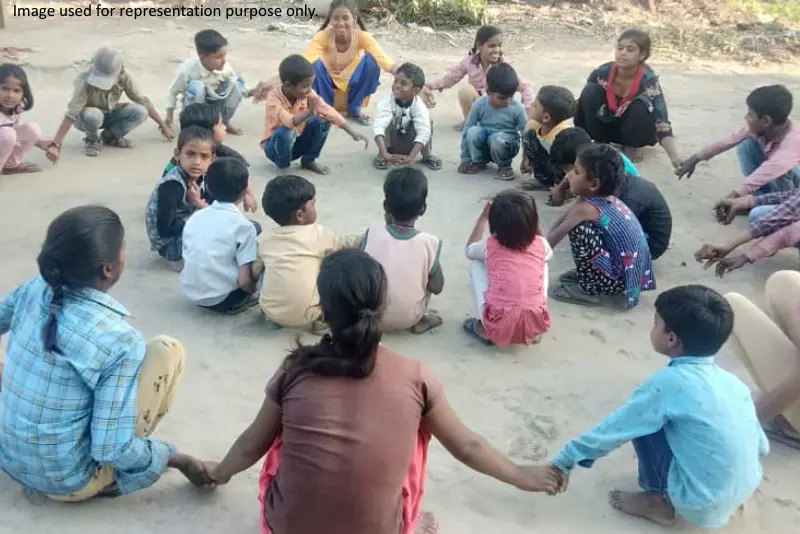
Building awareness around the Right to Education
The Right to Education (RTE) Act, 2009 makes education a fundamental right for children aged 6 to 14 years and provides for free and compulsory education in India. CRY works with families and communities to spread awareness about children’s Right to Education and the importance of enrolment, regular attendance and continued education.
Addressing malnutrition at home
Through extensive awareness initiatives, CRY improves access to healthy diets and connects families to relevant government programmes. It also supports home based kitchen gardening through seed distribution, encourages poultry farming, and provides health supplements to children and adolescents.
Working to improve school infrastructure
Poor infrastructure can make attending school difficult, particularly for children in remote communities and children with disabilities. CRY works with government departments, School Management Committees, community based organisations, panchayats and local authorities to support school upgrades and improve infrastructure.
Strengthening child protection systems
Child labour and child marriage can bring children’s education to an early end. CRY works with Village Level Child Protection Committees and local authorities to identify children at risk, prevent these practices and support children to return to school.
Conclusion
For children, staying in school should not depend on their family’s income, where they live or the circumstances they face. With the right support, children can remain in school, continue learning and have greater freedom to shape their futures. Support CRY UK to help hundreds of children access the opportunities they need to shape a better future.
For many underserved girls in India, childhood ends too soon. Housework, caregiving, labour, and early marriage consume the years meant for learn....
Read More
For many underserved children, staying in school is more than wanting to learn. It is a way of connecting with a world beyond their immediate ci....
Read More