Ten ways to strengthen education and keep children in school
We often measure educational progress through enrolment numbers, literacy rates and the number of schools built. But do these numbers tell us whe....
Read More
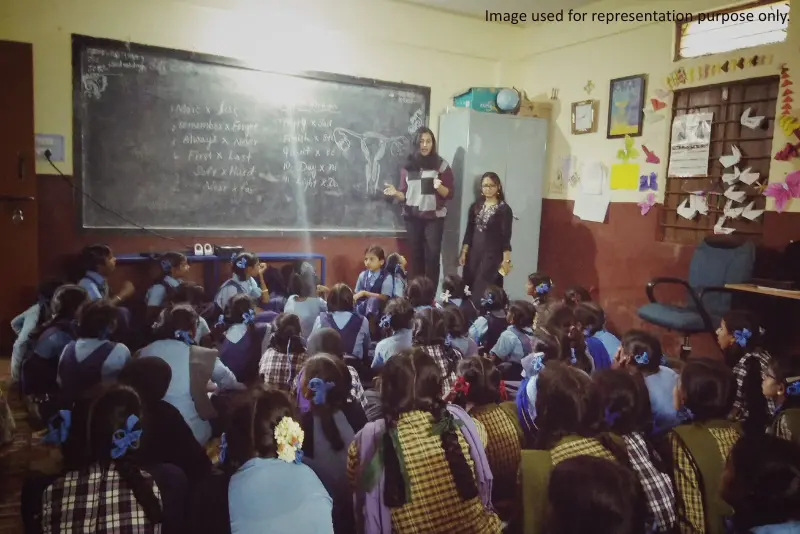
What if getting your period could determine whether you get to attend school or not?
For millions of girls in India, menstruation brings more than physical changes. It can also bring uncertainty, discomfort and difficult choices. Is there a sanitary pad when it’s needed? Is there a clean, private place to change? Is there someone to turn to with questions?
These may seem like everyday concerns, but for a girl trying to keep up with her lessons, they can become barriers to learning. And this raises an important question: how can we ensure that menstruation never comes in the way of a girl's right to education?
In today’s blog, let’s explore how period poverty affects girls’ education and how CRY UK is working to break these barriers and help girls stay in school.
How period poverty in India pushes girls out of school
Period poverty in India is not limited to the inability to afford sanitary products. It also includes the lack of information, suitable sanitation facilities and support systems that help girls manage menstruation comfortably and safely. Let’s take a closer how:
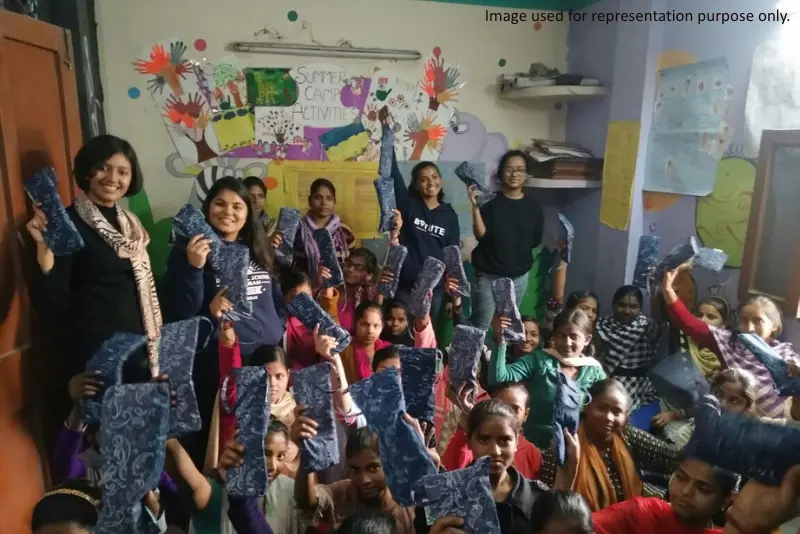
Menstrual health education helps girls understand their bodies and make informed choices. Involving boys, parents and communities is equally important to challenge taboos and create a more supportive environment.
How CRY UK is helping girls manage menstruation with dignity
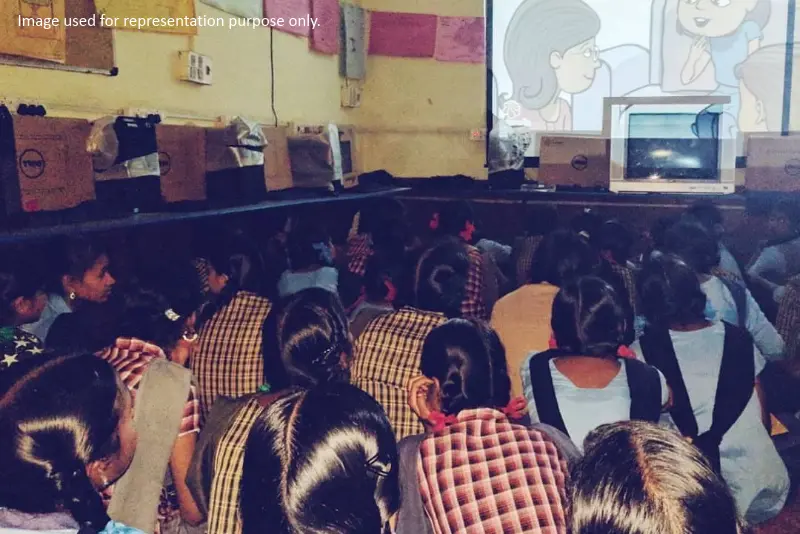
CRY works at a systemic level to address period poverty by bringing together grassroots partners, schools, families and local authorities.By addressing these gaps at multiple levels, CRY helps create an environment where girls can manage their periods with dignity and continue their education without interruption. Let’s understand how:
Conclusion
A girl's education should be shaped by her interests, abilities and aspirations! When she has the knowledge to make informed choices, the confidence to speak up and the support of those around her, she is better placed to take charge of her health and education. Support CRY UK in building a future where every girl can grow up with dignity, make her own choices and realise her dreams.
We often measure educational progress through enrolment numbers, literacy rates and the number of schools built. But do these numbers tell us whe....
Read More
For many underserved girls in India, childhood ends too soon. Housework, caregiving, labour, and early marriage consume the years meant for learn....
Read More