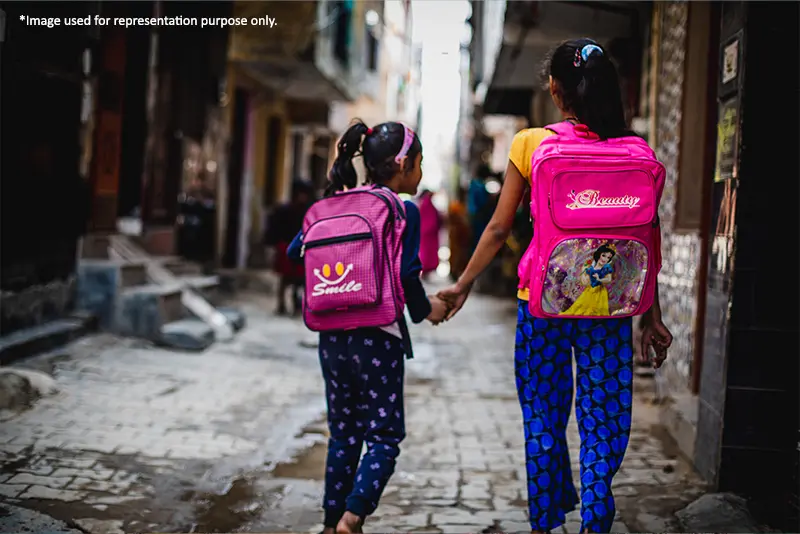
What makes a child vulnerable to labour long before they ever enter the workforce? Financial hardship, difficulties at school and responsibilities at home can gradually limit a child’s access to education, making work seem like a necessity. By the time a child leaves school, these challenges may have been building for some time. Addressing them early means understanding what children and their families are experiencing and providing support before their circumstances leave them with fewer choices.
In today’s blog, let’s explore the different ways early support can help prevent child labour and how CRY UK works with children, families and communities to protect children’s right to learn.
Ways to prevent child labour through early support
Preventing child labour involves more than responding when a child has already started working. It requires recognising the pressures that can put children at risk and addressing them through education, family support and community action. Let’s take a closer look:
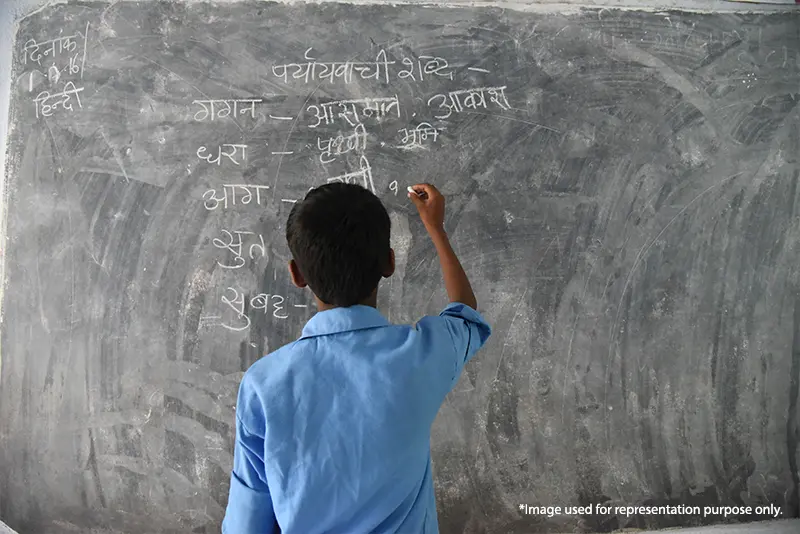
Keeping children in school: For children growing up in financially vulnerable households, attending school regularly can come with challenges. Learning difficulties, the cost of school supplies or responsibilities at home can affect attendance and make it harder to keep up with lessons. Identifying these barriers and providing the right support can help children continue their education rather than leave school to work.
Supporting families before a crisis: When household incomes are uncertain, families often struggle to meet everyday needs. Children end up shouldering responsibilities that affect their education, even when their families want them to stay in school. Connecting families with available support, improving livelihood opportunities and helping parents understand the long-term importance of education can ease some of these pressures.
Recognising the signs early: Changes in school attendance, declining academic performance or prolonged disengagement from learning can indicate that a child needs support. Regular communication between teachers, parents and community workers can help identify children who are struggling.
Building communities where children can stay in school: Protecting children from labour is a shared responsibility. Schools, families, community groups and local authorities can all help create an environment where education is valued and children’s rights are understood. When community members recognise the risks children face and know where to seek help, concerns can be raised sooner.
What is CRY UK doing to support child labour prevention?
At the grassroots level, preventing child labour means understanding each child’s circumstances and working with the people around them to address the challenges they face. Through its project interventions, CRY works with children, parents, schools and communities to identify children at risk, strengthen access to education and reduce the pressures that can push children into labour. Let’s understand how:
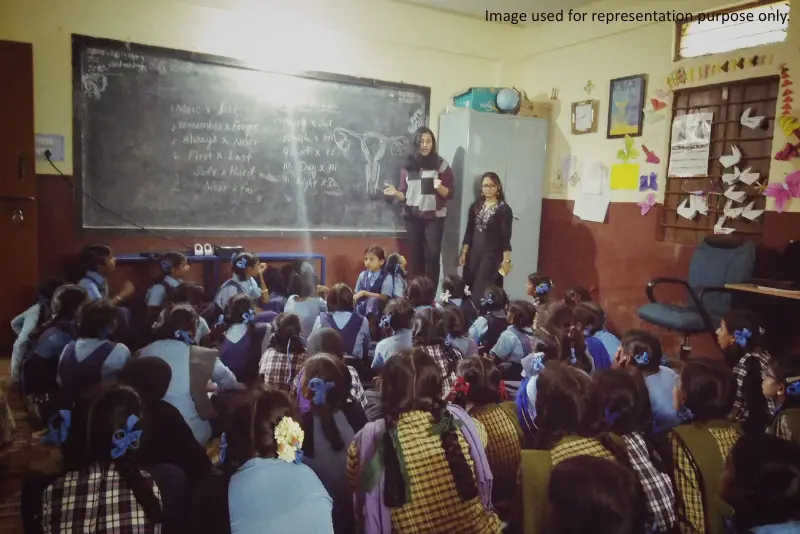
Identifying children who may be at risk: CRY’s project teams conduct door-to-door visits and vulnerability mapping to understand children’s circumstances and identify those who may be at risk of dropping out or entering labour. They also collaborate with school authorities and School Management Committees (SMCs) to obtain information about children with irregular attendance. This helps project teams identify concerns, understand patterns of absenteeism and reach children timely.
Working with parents to prioritise education: When children frequently miss school or drop out, project teams counsel their parents to understand the reasons and discuss the importance of continuing education. The staff also forms Mothers’ Groups to build awareness around children’s rights and the consequences of child labour. Parent-focused learning modules further help families understand how child labour affects children’s development and why keeping children in school matters.
Creating safe agencies where children can speak up: Children themselves can play an important role in looking out for their peers. CRY’s project team supports adolescent collectives for boys and girls, creating spaces where they can discuss their rights, share concerns and support one another. When a collective member notices that a friend has stopped attending school or may be at risk of child marriage, they can alert the project team. These peer networks help concerns reach adults who can intervene and support the children in need.
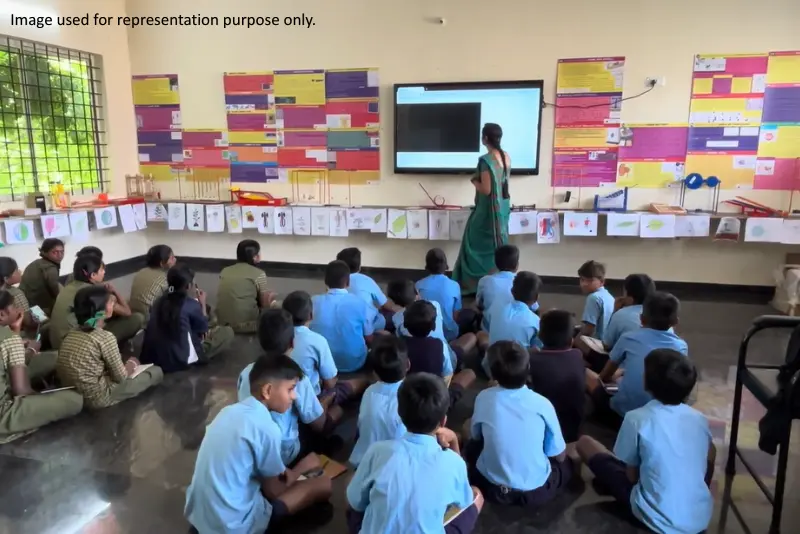
Helping children reconnect with learning: For children who need additional academic support, CRY’s Child Activity Centres provide opportunities to strengthen their learning and stay connected to education. Remedial classes help children work through learning gaps, while access to books, library resources and school uniforms can ease some of the practical barriers to attending school. These resources help ensure that financial constraints or difficulties with studies do not become reasons for children to miss out on learning.
Supporting families to strengthen their livelihoods: Preventing child labour also means addressing the financial pressures families face. CRY works with families and communities to connect them with livelihood opportunities and relevant government programmes that provide financial assistance. With access to more stable livelihoods and adequate earning opportunities, parents can better meet household needs without relying on income from their children’s work.
Conclusion
Preventing child labour also means changing the circumstances that make it difficult for children to remain in school. While significant progress has been made in preventing child labour, there is still a long way to go. With your generosity, more children can stay in school, explore their interests, build their confidence and imagine a future beyond the limitations. Support CRY UK to help children shape their own futures.
Breaking the cycle of child labour through education and opportunity
Child labour is not just a standalone issue. It is part of a deeply rooted cycle that continues across generations. Children forced into work mis....