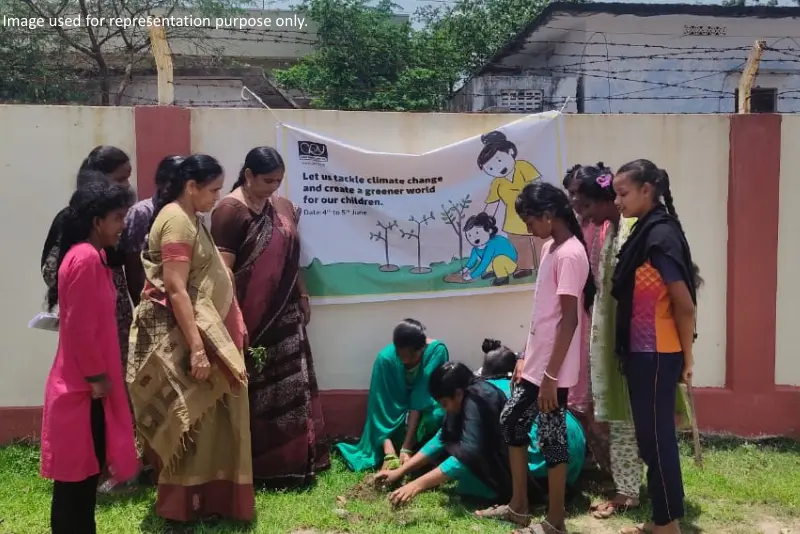
Impact of climate change on children in underserved communities
What happens when a child’s classroom becomes too hot to learn in? Or when the road to school disappears under floodwater? For many children....
Read More
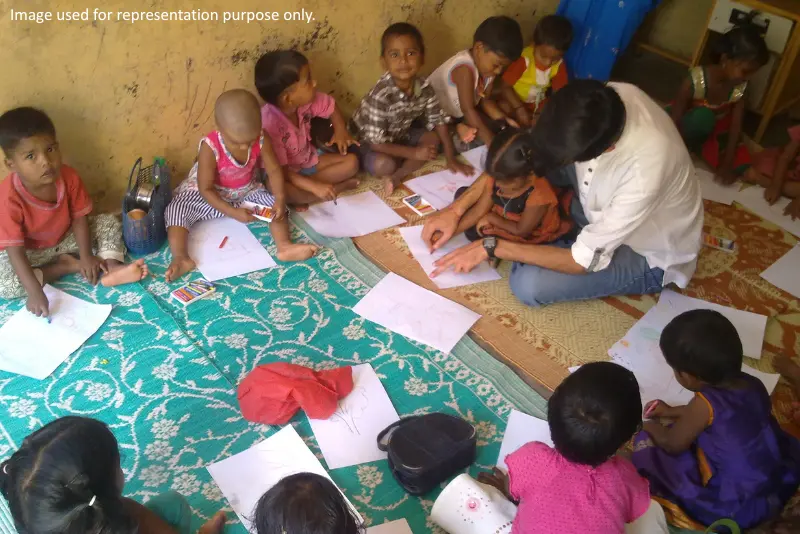
For a child, learning to read can open up more than the pages of a book. It can shape how children learn, communicate, understand the world around them and make choices about their future. Yet for children growing up in underserved communities, poverty, social inequalities and limited access to education can make it harder to develop these skills and realise their potential.
In today’s blog, let’s explore how literacy gives children much more than the ability to read and write, and how CRY UK is helping build their futures by making literacy a foundation for greater opportunities.
Stronger foundation for learning
Literacy helps children understand lessons, follow instructions and learn across subjects.
It also helps them access the wider opportunities school offers, from reading about a competition to taking part in a cultural activity or preparing for a school event. For first-generation learners, being able to understand written information can make learning less dependent on support at home.
Deeper sense of belonging at school
School is about more than lessons. It is also where children make friends, discover interests and find their place among their peers. When children can follow conversations, understand instructions and express their ideas, they are better able to join in these everyday moments, thus thriving in school.
Greater sense of independence
Literacy gives children the ability to make sense of information without always having to depend on someone else. Whether it is understanding a school notice, reading instructions, filling out a form or finding information online, these skills help children navigate everyday situations with greater confidence.
Faster ability to understand, question and make choices
Being able to read information is only the beginning. Children also need to understand what they read, think about it and decide what it means for them. Literacy helps them learn about their rights, ask questions, communicate their concerns and make informed choices about their education and lives.
Wider view of what their future could hold
Books and access to information can introduce children to ideas, people, places and careers beyond their immediate surroundings. A story about a scientist, police officer or social worker can introduce them to careers they may never have heard of before and encourage them to consider paths they had never imagined. For children growing up with limited opportunities, discovering what is possible can be an important first step towards imagining a different future.
How CRY UK is helping children build these foundations
At CRY UK, we believe every child deserves the opportunity to learn, regardless of their background or circumstances. Working with communities, schools and local partners, we help children build the literacy and numeracy skills they need to thrive in school and beyond. Let’s take a closer look at how.
Giving first-generation learners a stronger start
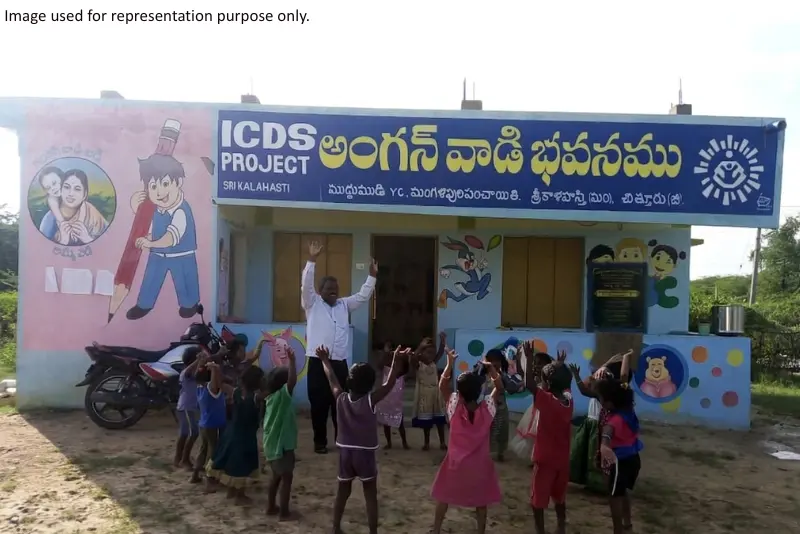
For many first-generation learners, school is where they are introduced to reading, writing and numbers for the very first time. Without early learning support, keeping pace with classroom teaching can become difficult from the outset.
Through CRY’s Child Activity Centres (CACs), children develop these foundational skills before they enter school. Using play based learning, trained teachers and mentors prepare children for the classroom and support their enrolment, giving them a stronger start to their educational journey.
Helping children learn at an age appropriate level
Many children from underserved communities fall behind not because they lack the ability to learn, but because they lack the support and opportunities to keep pace with their education. Poverty, household responsibilities and limited learning support at home can leave children with gaps that make each new school year more challenging.
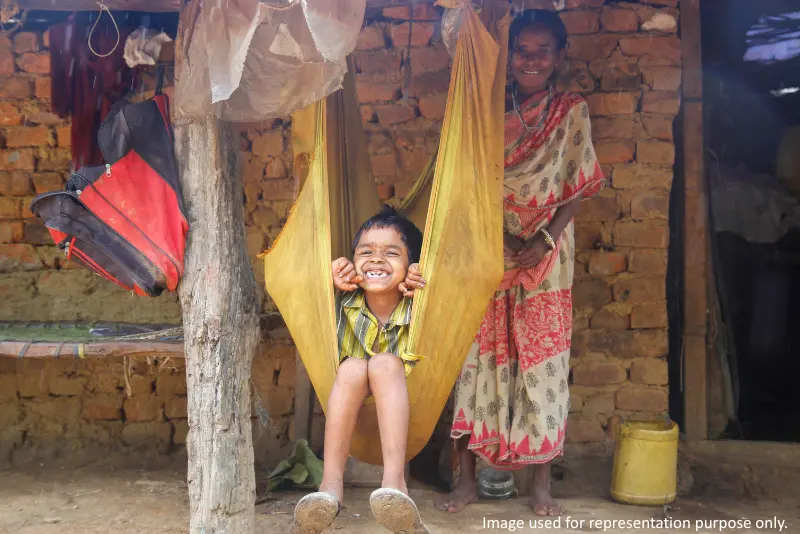
Through Child Activity Centres, CRY UK’s project teams provide remedial support to help children achieve age appropriate learning levels. Using activity based and experiential learning, teachers make lessons engaging, track each child's progress and provide individual support where needed. This helps children regain confidence, keep up with their school curriculum and stay engaged with learning.
Conclusion
This World Literacy Day, let’s look beyond the ability to read and write and recognise the confidence, independence and choices literacy can give a child. There are hundreds of children still waiting for the opportunity to learn. Your support to CRY UK can help strengthen their foundational skills today, giving them the confidence to understand their world, find their voice and make more choices tomorrow.
What happens when a child’s classroom becomes too hot to learn in? Or when the road to school disappears under floodwater? For many children....
Read More
School readiness is about more than a child’s first day at school. It reflects whether children have the basic skills, health, and support they....
Read More