From dropping out to dreaming again: Arjun’s return to education
For many underserved children, staying in school is more than wanting to learn. It is a way of connecting with a world beyond their immediate ci....
Read More
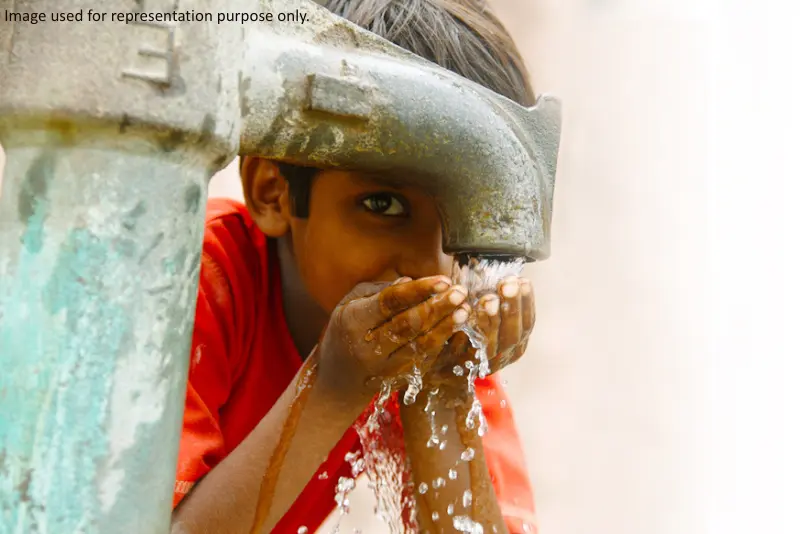
For many children, staying in school is not just about access to education. It depends on whether they are healthy enough to attend regularly, focus, and keep up with learning. Safe water, clean surroundings, and basic hygiene play a direct role in this.
In this blog, let’s explore how WASH supports children’s health and helps them continue their education, and what CRY UK is doing to ensure more children have access to these basic needs.
Understanding WASH and how it shapes the course of childhood
WASH stands for Water, Sanitation, and Hygiene. These everyday essentials support children’s health and reduce the risk of illness. Without basic WASH practices, children are more likely to fall sick with infections and water borne illnesses. This leads to missed school days and prolonged learning gaps, increasing the risk of dropping out over time.
Girls often face additional barriers. Limited access to safe sanitation and a lack of awareness around menstrual hygiene can lead to discomfort, stigma, and frequent absence from school. In many cases, this affects both confidence and continuity in education.
How CRY is strengthening WASH practices
WASH is closely linked to health and education. To ensure children stay healthy and continue their education, CRY works closely with children, families, and community authorities to build awareness, improve access, and support everyday hygiene practices. Here’s how:
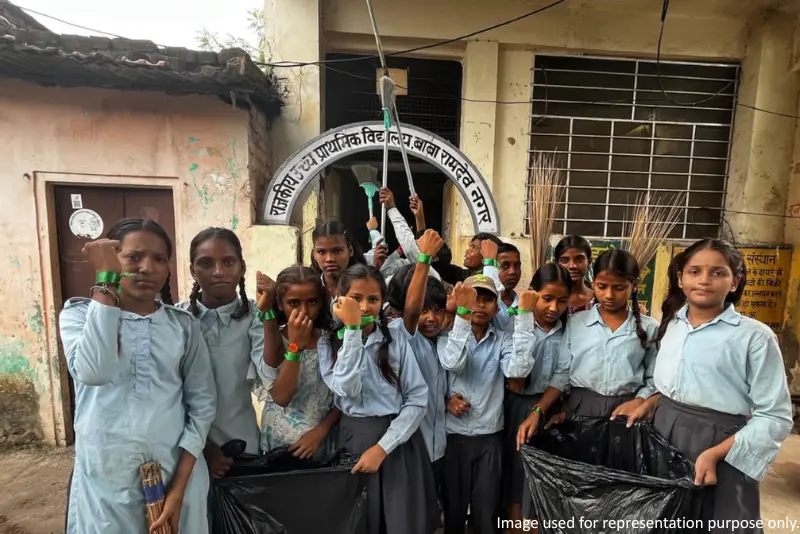
To change this, CRY began holding monthly sessions, bringing together 11 Children’s Collectives and community members. These spaces are now helping people speak openly, ask questions, and learn from each other in ways that feel comfortable and respectful.
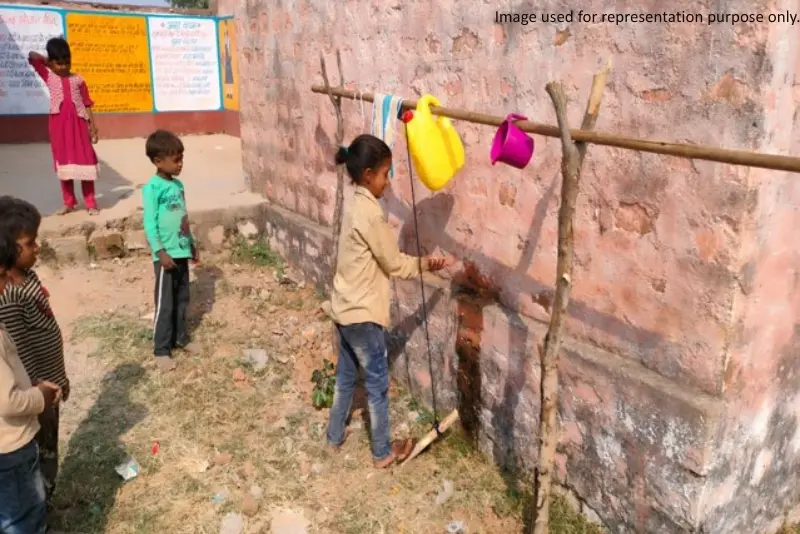
At schools and CRY’s Child Activity Centres, children are beginning to take small but meaningful steps. They wash their hands before meals, keep themselves clean, and remind one another to follow these habits.
The efforts have led to 1,934 children and community members adopting healthy hygiene practices. Today, more children are washing their hands regularly, both at school and at home, influencing their families and helping build healthier communities.
Conclusion
WASH is not just about access, it is about consistency in everyday life. When a child does not have to worry about falling sick from unsafe water or poor hygiene, they gain something essential, the chance to show up, take part, and keep learning every day.
By working closely with children, families, and communities, CRY UK is helping build these everyday foundations. Support CRY UK to help children stay healthy, stay in school, and move towards a stronger future.
For many underserved children, staying in school is more than wanting to learn. It is a way of connecting with a world beyond their immediate ci....
Read More
A child’s place in school can depend on much more than whether there is a school nearby. According to the latest UDISE+ 2024–25 estimate, aro....
Read More