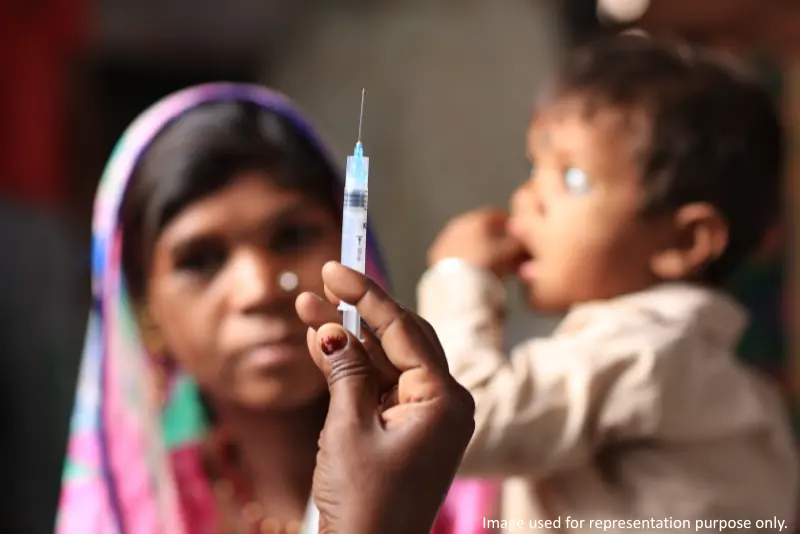
How is CRY UK addressing vaccine hesitancy in rural India?
In underserved regions, families often navigate multiple barriers when it comes to healthcare. Misinformation around children’s vaccines, lack ....
Read More
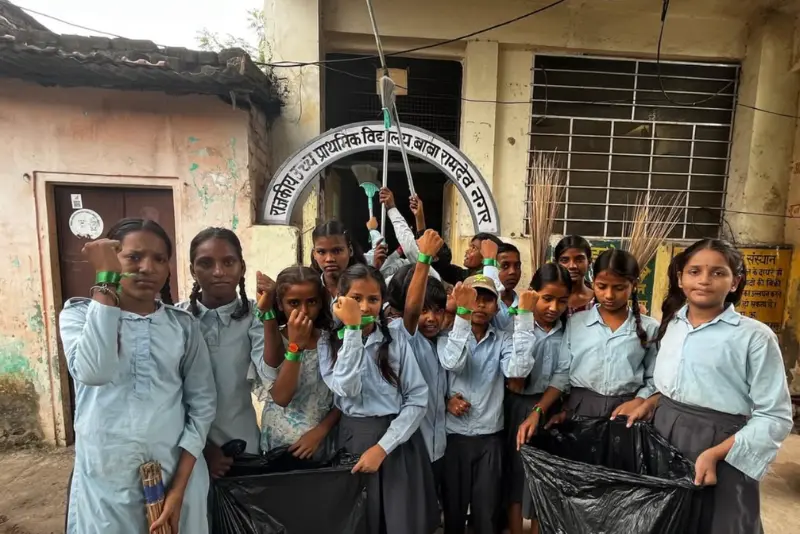
What does it really mean for a child to be healthy? It’s not just about access to doctors or treatment when they fall ill, it’s also about the everyday conditions they grow up in, the water they drink, the spaces they use, and the understanding they have about their own bodies. As conversations around World Health Day encourage us to reflect more deeply, it’s important to look at health through this wider lens. For millions of children, true well-being lies at the intersection of hygiene, dignity, and awareness.
In this blog, let’s explore how health, hygiene, and menstrual awareness are interconnected, their impact on children, and how CRY UK is working to bridge the gap for healthier futures.
Health begins with WASH
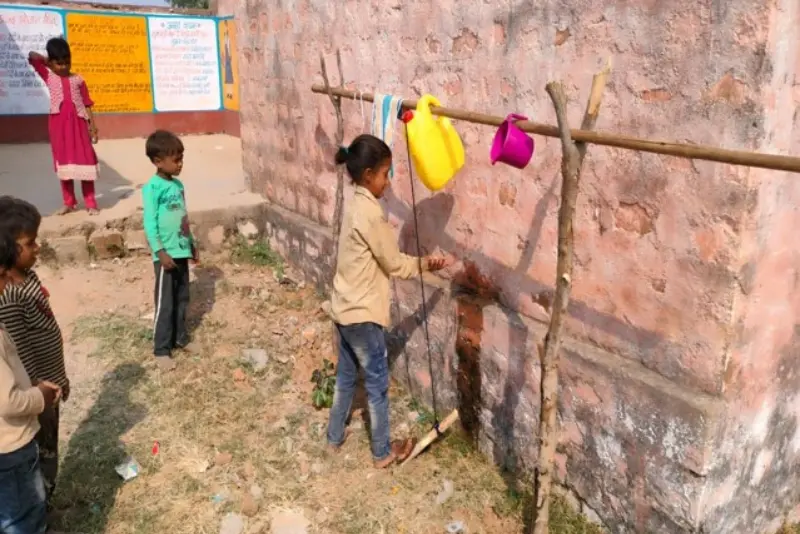
Access to Water, Sanitation, and Hygiene (WASH) is the foundation of good health. Clean water prevents waterborne diseases, safe toilets reduce exposure to harmful environments, and proper hygiene practices like handwashing, and protect children from infections. For adolescents, especially girls, the impact goes even further.
The missing link: Menstrual awareness
The lack of menstrual awareness, combined with inadequate WASH facilities, creates serious challenges. This not only affects physical health, but also impacts emotional well-being, confidence, and participation in everyday life. Let’s take a closer look at the challenges that arise from limited awareness around menstruation.
The combined impact on children
Health, hygiene, and menstrual awareness are not standalone concerns. When access to clean water and sanitation is limited, and conversations around menstruation remain absent, children are left navigating both physical and emotional challenges without the support they need. Here’s how this intersection impacts children:
How CRY UK is bridging the gap
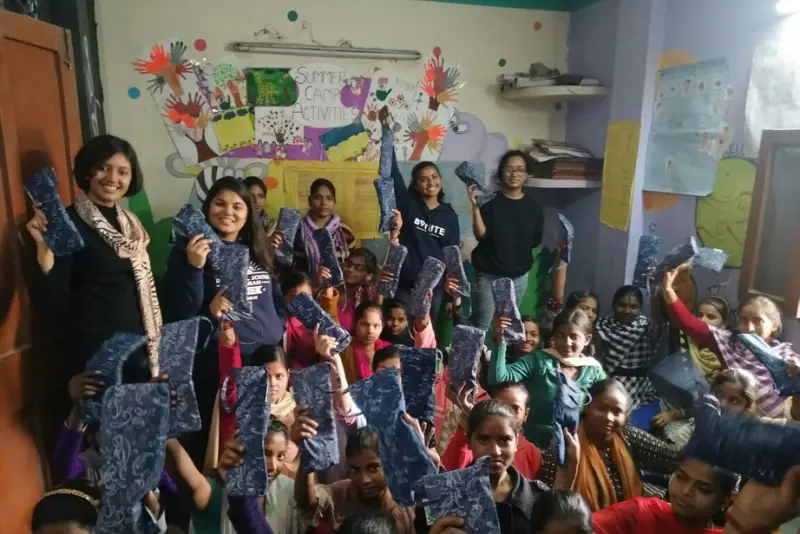
At CRY UK, the approach goes beyond addressing health, hygiene, or menstrual awareness in isolation. By recognising how closely these issues are linked, the focus is on creating an ecosystem where children are informed, supported, and able to access what they need with dignity.
Here’s how this work comes to life on the ground:
Conclusion
When children have the right environment, they don’t have to struggle for dignity, they grow into it. As conversations around World Health Day remind us, health is shaped as much by everyday realities as it is by care and treatment. Access to clean water, safe spaces, and the confidence to understand their own bodies allows children to show up fully in school, at home, and in life.
With the right support systems in place, children, especially girls, can move forward without hesitation, equipped with the knowledge, safety, and self-belief they deserve. Donate to CRY UK to help shape healthier futures for all.
In underserved regions, families often navigate multiple barriers when it comes to healthcare. Misinformation around children’s vaccines, lack ....
Read More
In the earliest years of life, timely healthcare can shape a child’s future. Vaccinations for newborns build foundational immunity, protecting ....
Read More