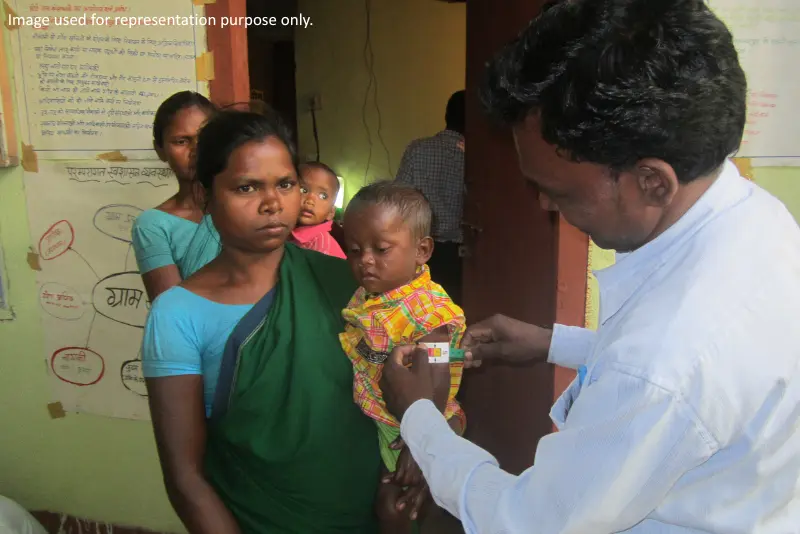
Understanding vaccine hesitancy in early childhood across rural India
In the earliest years of life, timely healthcare can shape a child’s future. Vaccinations for newborns build foundational immunity, protecting ....
Read More
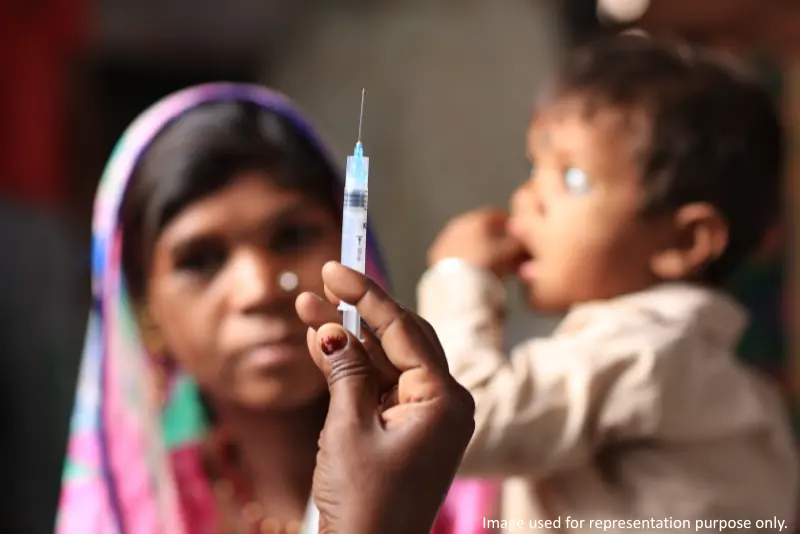
In underserved regions, families often navigate multiple barriers when it comes to healthcare. Misinformation around children’s vaccines, lack of clarity on immunisation schedules, and limited interaction with healthcare providers often lead to delay risking the lives of newborn and infants.
According to NFHS-5 (2019–21), 1 in 4 children miss critical immunisation windows, leaving them vulnerable to preventable diseases during early childhood. In today’s blog, let’s explore the challenges in overcoming vaccine hesitancy and what CRY UK is doing to address them.
Challenges in overcoming vaccine hesitancy
Overcoming vaccine hesitancy of newborns and infants requires addressing multiple, interconnected barriers that influence how families perceive, access, and act on healthcare decisions.
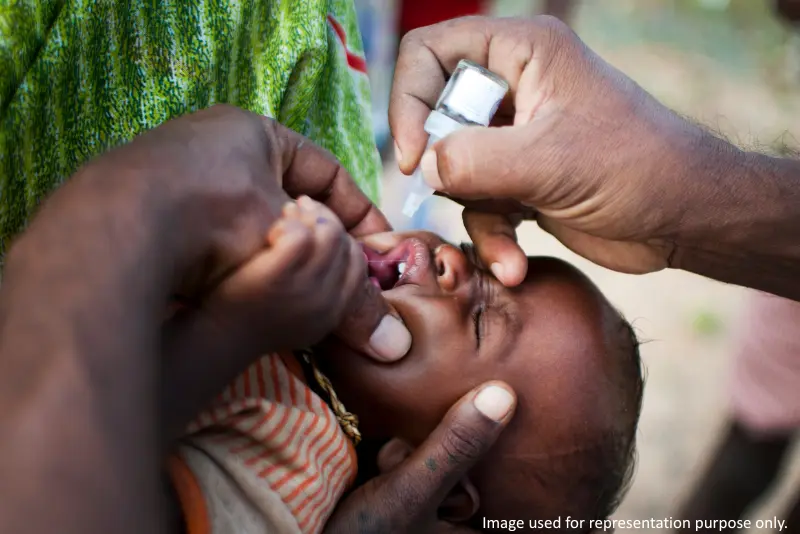
What CRY UK is doing to overcome the barriers
Creating lasting change requires more than one-time interventions. It involves consistent engagement, local participation, and systems that support families at every stage of their healthcare journey.
Community awareness and engagement
Through door-to-door outreach and village-level campaigns, CRY UK addresses misinformation around infant and newborn vaccinations, simplifies jargons & vaccine-related information, and encourages open conversations, helping families better understand the importance of timely immunisation.
Strengthening community support systems
Formation of agencies like Mothers’ Groups create safe spaces for discussion on children’s health, allowing women to share experiences, ask questions, and collectively build confidence around maternal and child healthcare practices.
Improving last-mile access
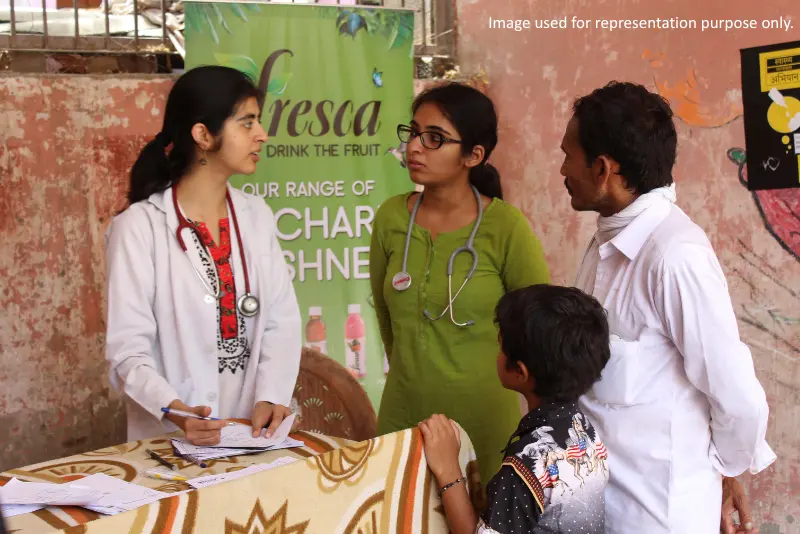
By supporting Village Health and Nutrition Days (VHNDs), CRY UK ensures essential immunisation and healthcare services are available within communities, reducing dependency on distant health centres.
Supporting maternal and child health tracking
Project teams help pregnant and lactating mothers register with Anganwadi centres, track vaccination schedules of children under three years age, and follow up regularly to ensure both mother and child receive timely care.
Capacity building of frontline workers
Training frontline health workers to address local concerns and communicate clearly helps build trust within communities, making families more confident in accessing and continuing healthcare services.
Conclusion
While CRY UK continues to support mothers and caregivers in ensuring the healthiest start for their newborns, many still live with fear, mistrust, and misinformation, putting their children’s lives at risk and limiting their chances of accessing education and a healthy future. Your support today can help change that, ensuring a brighter, healthier tomorrow for children.
In the earliest years of life, timely healthcare can shape a child’s future. Vaccinations for newborns build foundational immunity, protecting ....
Read More
When we think of vulnerable children in India, we often picture poverty, child labour, lack of schooling, or early marriage. These challenges are....
Read More