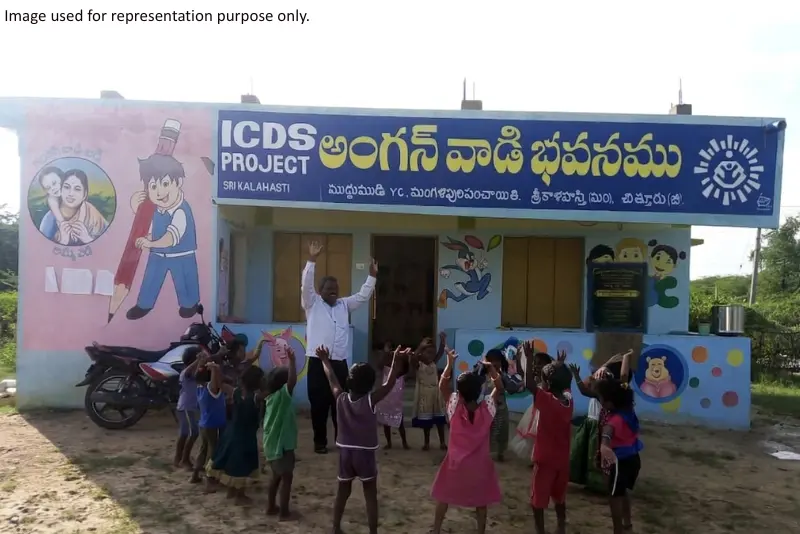
How nutrition and early learning came closer to Raneshwar
In the Raneshwar region of Dwarka District, a shift is shaping how children grow, learn, and stay healthy. Just a short walk from their homes, an....
Read More
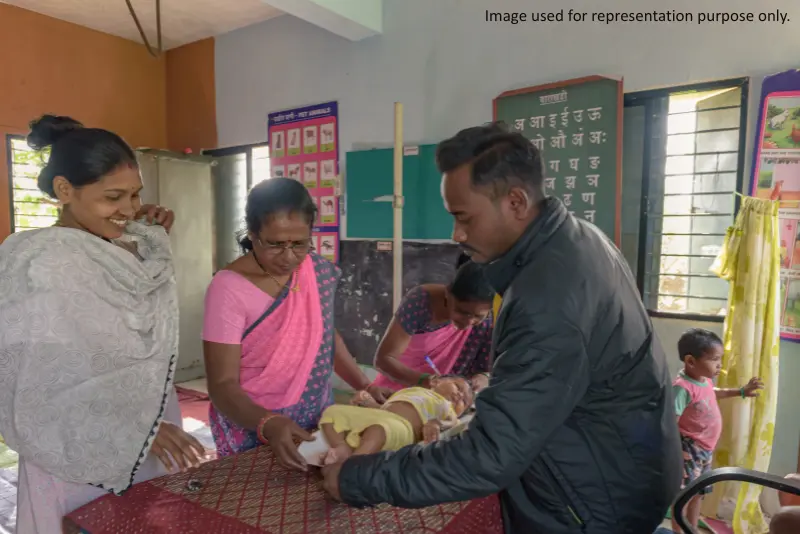
Every child deserves the chance to grow, learn, and dream. Yet for many, that chance is shaped by where they are born and the care they receive in their earliest years.
The first 1,000 days of a child’s life from pregnancy to the age of two are the most critical. This is when the body and brain develop rapidly, making children most vulnerable, and most in need of consistent nutrition, care, and protection. When these are missing, the impact can last a lifetime.
In this blog, let’s explore the barriers that challenge early childhood care, and how CRY UK is working to break them to ensure a fairer, healthier start for underserved children.
Challenges of early childhood care
For many families, early childhood care is shaped by a set of interconnected barriers that quietly impact a child’s health and survival.
What is CRY UK doing to bridge the gap
Creating a fair start for every child requires more than access. It calls for trust, awareness, and systems that work consistently for those who need them most.
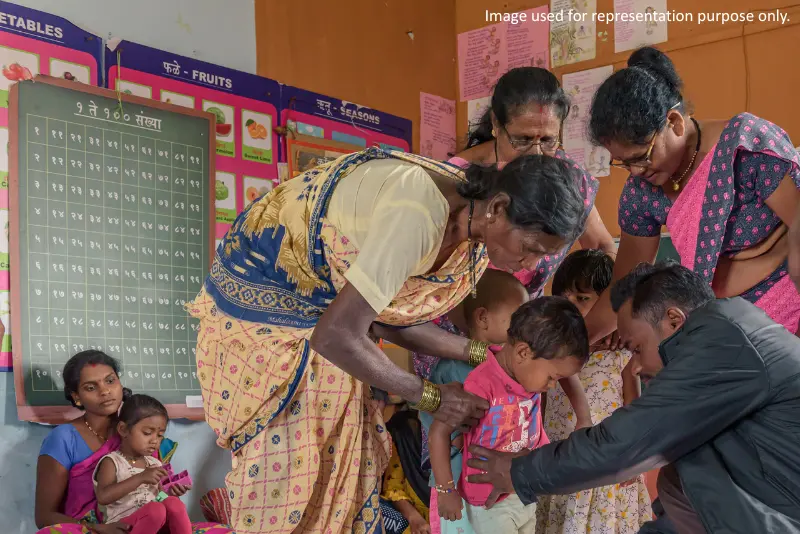
Replacing doubt with informed choices
CRY actively addresses vaccine hesitancy by demystifying misinformation and engaging communities in conversations around immunisation. By raising awareness on its importance, families are empowered to make informed decisions that protect their children early on.
Strengthening trust through local care systems
CRY works closely with frontline health workers and nearby healthcare centres to improve last-mile service delivery. Strengthening these relationships not only improves access but also builds trust within communities that often rely on informal or delayed care.
Supporting mothers before and after birth
To reduce risks associated with home deliveries, CRY tracks and monitors pregnant mothers, encouraging institutional deliveries. They also ensure mothers are registered with Anganwadis, enabling access to essential antenatal and postnatal care services.
Enabling healthier beginnings at home
Mothers are guided on exclusive breastfeeding during the first six months, along with age-appropriate feeding practices and the importance of maintaining nutritious diets, ensuring children receive the nourishment they need from the very start.
Tracking every child’s growth journey
Regular monitoring of children’s growth and weight allows early identification of risks. Severely Underweight children are referred to Nutrition Rehabilitation Centres for specialised treatment, while Moderately Underweight children are supported with targeted nutrition and care practices.
Making nutrition accessible
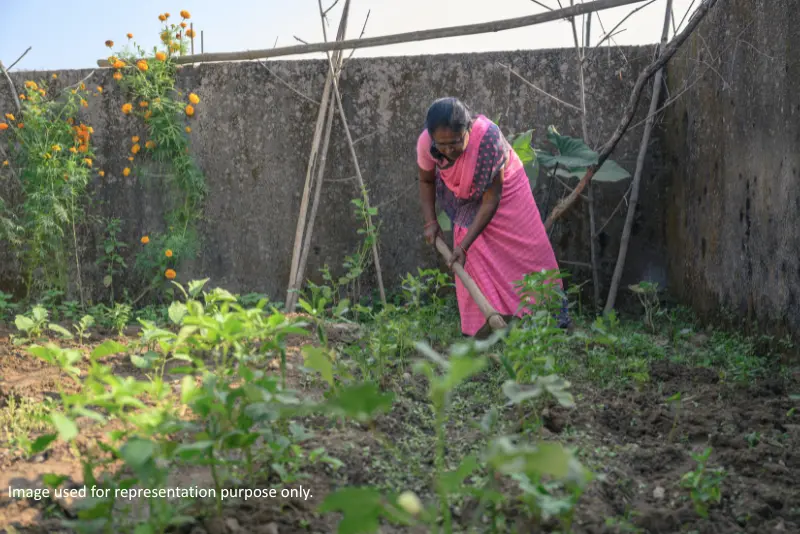
CRY promotes Anganwadi and community kitchen gardens to improve access to fresh, nutritious food. These initiatives ensure that even families without land ownership can grow or access food that supports their children’s development.
Building capacity
Frontline workers are trained and supported to identify and manage malnutrition and underweight conditions effectively. Strengthening their capacity ensures that early warning signs are not missed and timely care reaches children.
Strengthening systems for long-term access
Working at a systemic level, CRY collaborates with government authorities, local panchayats, and communities to revamp existing healthcare infrastructure and support the establishment of new centres closer to underserved populations.
Taking essential services to the community
In areas where healthcare access remains limited, CRY facilitates Village Health and Nutrition Days. These outreach efforts bring immunisation drives, health screenings, and essential services directly to children and mothers.
Conclusion
While many children today are growing up healthier and stronger with the right support, there are still hundreds waiting for that one opportunity to begin life on a stronger foundation.
Your support to CRY UK can help make this possible. It can ensure that more children are not just given a chance to survive, but the chance to truly begin in a secure and supported environment, ready for the life ahead.
In the Raneshwar region of Dwarka District, a shift is shaping how children grow, learn, and stay healthy. Just a short walk from their homes, an....
Read More
In a remote village of Lakhimpur in Uttar Pradesh, adolescent girls faced a silent barrier to education due to poor menstrual hygiene. With littl....
Read More