How parents play a vital role in a child’s right to education
Have you ever noticed how eager children are to talk about their day at school? The excitement in their voices as they share what they learned, w....
Read More
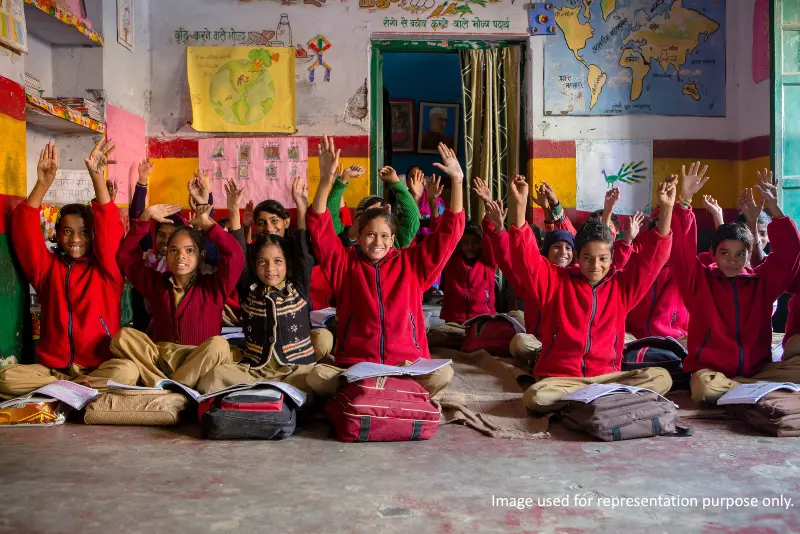
Despite decades of progress, limited access to education continues to impact children across both rural and urban India. Girls and children from marginalised communities, migrant families, and low-income households are among the most affected.
Education is more than a basic right. It is the foundation that shapes a child’s future. Let us explore the key stages of education, why each one is critical, and the barriers that prevent children from moving forward.
Why early education matters
Early education builds the cognitive, emotional, and social foundation for lifelong learning. When children have access to education from an early age, they are better prepared for primary school, less likely to drop out later, and more likely to achieve stronger learning outcomes.
Why primary education matters
Primary education is where children develop essential skills like reading, writing, numeracy, and critical thinking. It is also the stage at which they begin to understand their rights, find their voice, and engage with the world around them.
Why secondary education matters
Secondary education is vital in shaping a young person’s aspirations, skills, and confidence to take charge of their future. For girls especially, continuing education at this stage can be life-changing. It helps delay early marriage, leads to better health outcomes, expands future earning opportunities, and enables girls to make informed decisions about their lives.
Why higher education matters
Higher education equips young people with specialised knowledge, critical thinking abilities, and the confidence to participate meaningfully in the workforce and society. For many first-generation learners, it becomes a pathway to not only career progress, but also social mobility and a sense of dignity.
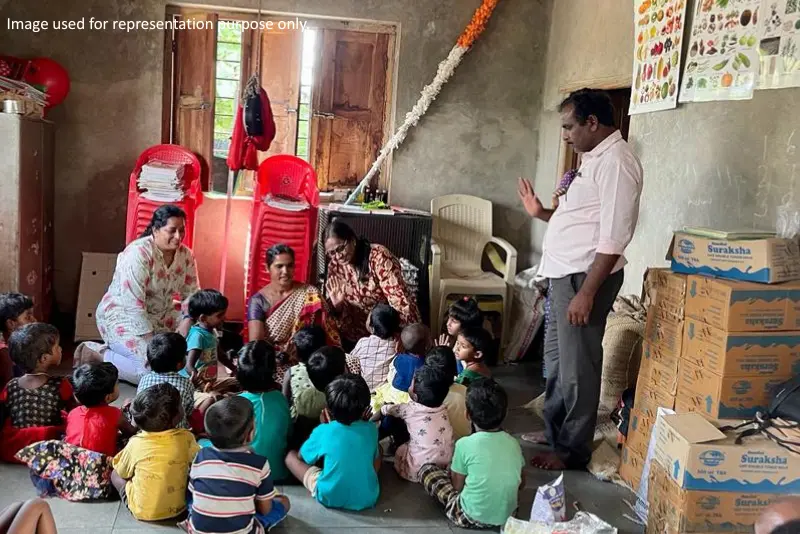
Barriers across these stages of education
Throughout early, primary, and secondary education, various interlinked challenges prevent children from accessing and continuing their learning:
Community barriers
Infrastructural barriers
How CRY UK is helping bridge the gap
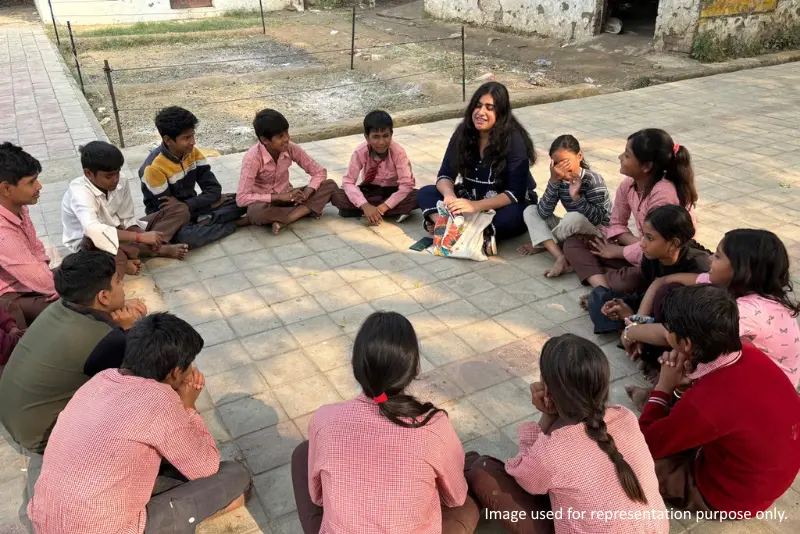
CRY UK’s project teams support children at every stage of their educational journey, ensuring consistent and meaningful access to learning. By working closely with grassroots organisations, we focus on:
Conclusion:
Consistent, quality education at every stage equips children to build healthier families, stronger communities, and a more equitable society. Your support enables CRY UK to bridge the gap and provide every underserved child in India with access to education. Donate now to give underserved children the gift of education.
Have you ever noticed how eager children are to talk about their day at school? The excitement in their voices as they share what they learned, w....
Read More
For millions of girls across India, school is more than a place of learning. It is where they form friendships, discover their strengths, and ima....
Read More