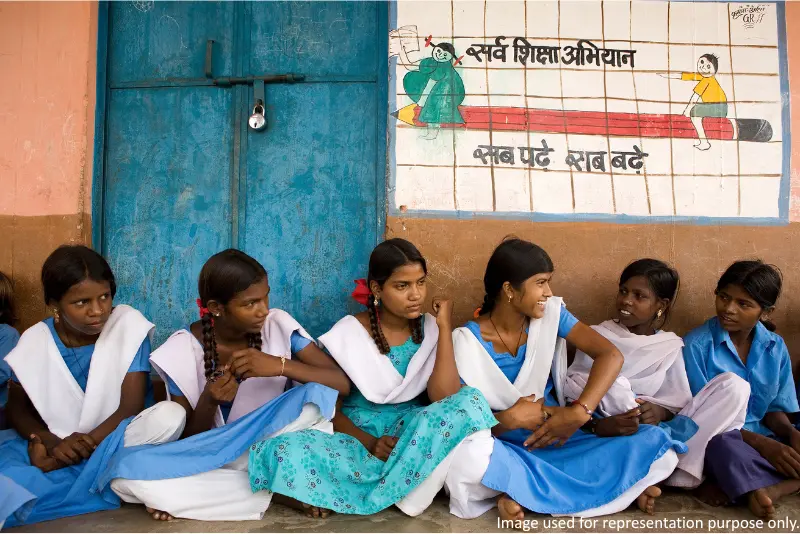
What empowerment looks like for underserved girls in rural India
For millions of girls in rural India, empowerment can mean the difference between a life shaped by circumstance and one where they are able to ma....
Read More
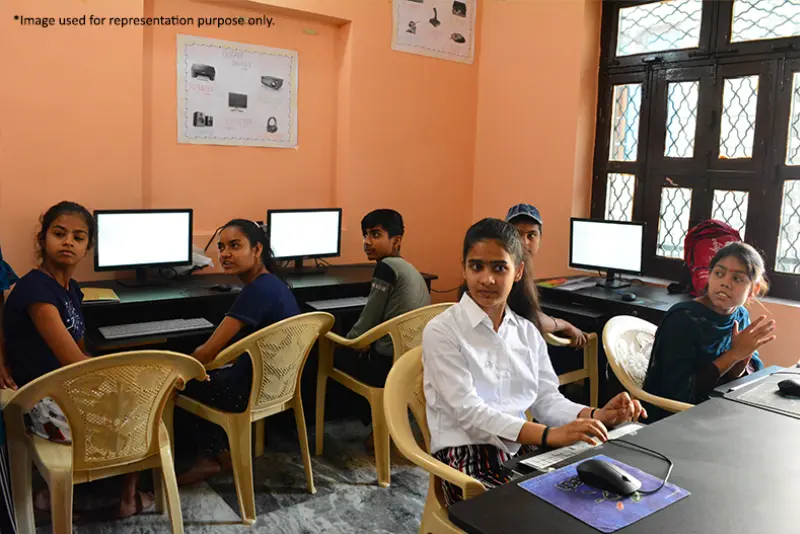
Across India today, children experience school through two very different realities. For some, learning extends beyond the classroom where doubts can be searched online and opportunities discovered through digital platforms.
For others, learning is limited by connectivity. When learning support requires internet access, exam forms are submitted online, or scholarships are advertised digitally, children without reliable devices or data face barriers that restrict their participation. This gap is what we call the digital divide. For marginalised children, it is more than a question of connectivity. It shapes continuity in learning, confidence, and access to opportunity.
In this blog, we explore what the digital divide means, its causes and consequences, and how CRY UK is working to help bridge the gap.
Understanding digital divide
While access to devices and internet is a critical starting point, the reality is more layered.For marginalised children, the divide includes:
What causes digital divide
The divide does not exist in isolation. It reflects deeper structural inequalities.Let’s take a closer look.
Meagre household income: Poverty remains one of the most significant barriers. For families prioritising food, rent and healthcare, purchasing devices or maintaining internet subscriptions can feel out of reach.
Challenging geography: Remote villages and informal urban settlements often face weak digital infrastructure, making reliable connectivity inconsistent.
Gendered parenting: Gender inequality further widens the gap as in many communities, boys are more likely to be given access to mobile phones, while girls’ usage may be monitored or restricted.
Digital literacy gaps: Even where devices are available, parents and caregivers may not feel confident navigating online platforms themselves. Limited understanding of how digital spaces function, combined with concerns about online safety, misinformation, or exposure to inappropriate content can create understandable hesitation. As a result, children’s access may be closely monitored or restricted.
The consequences for marginalised children
When digital access is limited, the impact extends beyond a child’s ability to complete their education. Children may struggle to access exam registrations or scholarship applications, participate in blended learning environments, or develop the digital skills increasingly required for higher education and employment.
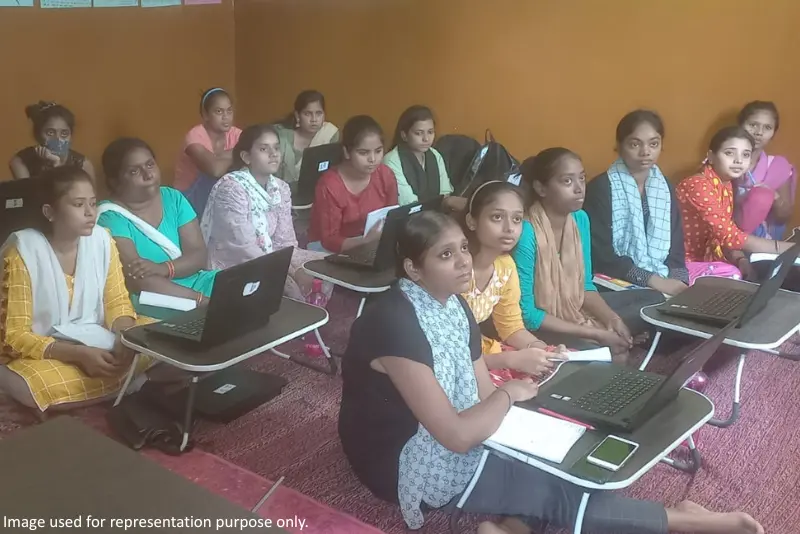
In remote areas where school infrastructure is already limited, and where many children rely on open schooling or distance education models, digital access becomes even more critical. Without it, continuity in learning can be disrupted entirely.
Over time, these gaps can affect academic confidence and long-term opportunities. In a world where essential services, financial systems, and job markets are becoming increasingly digital, exclusion today risks limiting participation tomorrow. The digital divide, therefore, is not simply a technological issue; it is a question of equity and rights.
How CRY UK is working to bridge the gap
Addressing the digital divide calls for strengthening skills, awareness, and the wider ecosystem around a child. Through its support of community-based initiatives, CRY UK’s project team works with children, families, and local stakeholders to make digital inclusion more meaningful and sustainable.
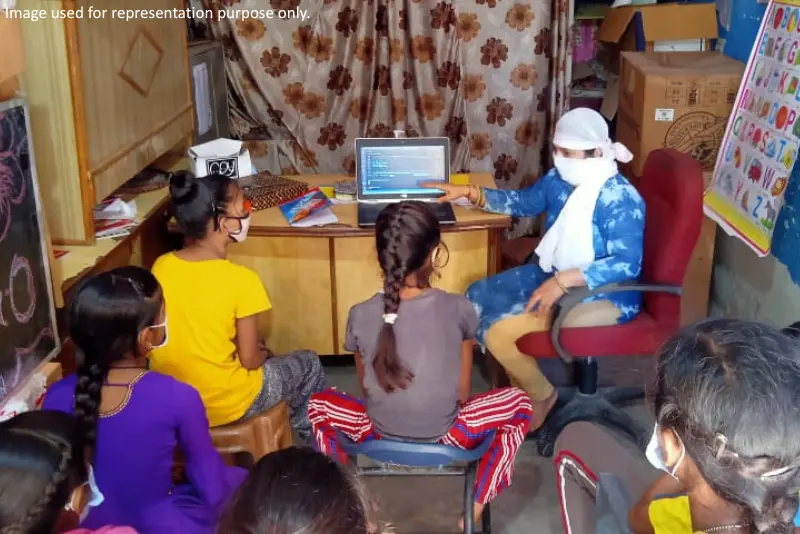
For marginalised children in India, digital access is no longer optional as it influences how they learn, apply for opportunities, build skills, and prepare for adulthood. Closing this gap is not simply about connectivity, it is about safeguarding children’s right to education, participation, and equal opportunity. Support CRY UK today to help ensure that children have access to education and an equal chance to thrive in a connected world.
For millions of girls in rural India, empowerment can mean the difference between a life shaped by circumstance and one where they are able to ma....
Read More
For many years, the focus in education was simply on access, getting children mainstreamed in schools. While this is a vital first step, access a....
Read More