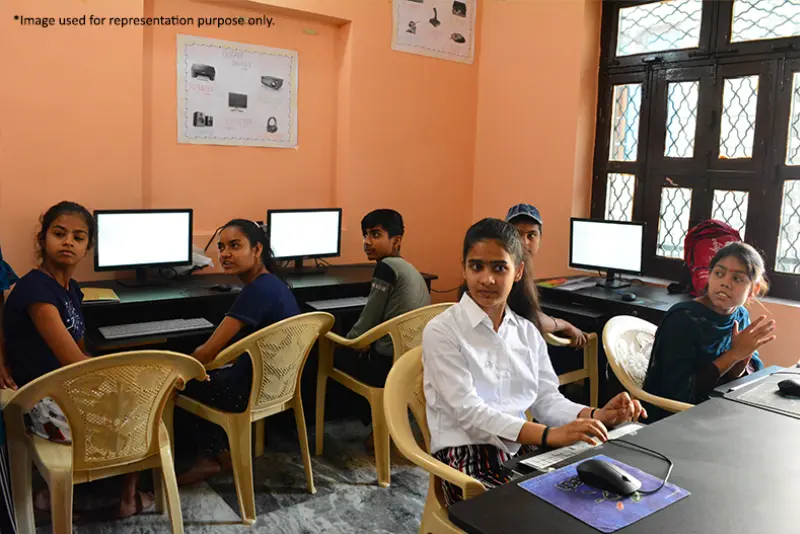
Why digital divide is concerning for India’s marginalised children
Across India today, children experience school through two very different realities. For some, learning extends beyond the classroom where doubts....
Read More
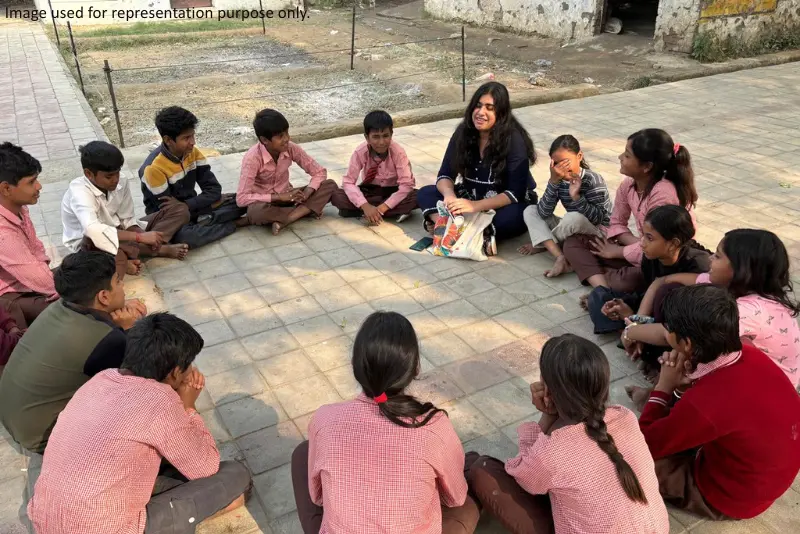
For many years, the focus in education was simply on access, getting children mainstreamed in schools. While this is a vital first step, access alone does not guarantee inclusion. Understanding inclusive education as a shift from access to active participation means recognising that every child deserves more than a seat in the room. They deserve to be heard, supported, and meaningfully engaged in their learning, with schools adapting to their diverse needs so that each child can truly belong and thrive.
In this blog, we explore how inclusive education differs from traditional approaches, the barriers that still stand in the way of true inclusivity, and the path forward to building brighter, more equitable futures for our children.
How inclusive education differs from traditional models
Traditional education models often relied on separation and segregation. Children considered "exceptional" were placed in residential institutions or special classes, isolating them from their peers and wider society. These approaches tended to focus on a child’s perceived "deficiencies", expecting them to adapt to rigid systems.
According to UNESCO, inclusive education is about widening participation in learning, school cultures, and communities, while actively reducing exclusion within and from education. It requires meaningful changes to curriculum content, teaching approaches, structures, and strategies, guided by a shared vision that all children of the appropriate age belong in regular schools.
Challenges to adapt inclusive education
Despite growing awareness, several systemic challenges continue to limit the full realisation of inclusive education in India. The top concerns are:
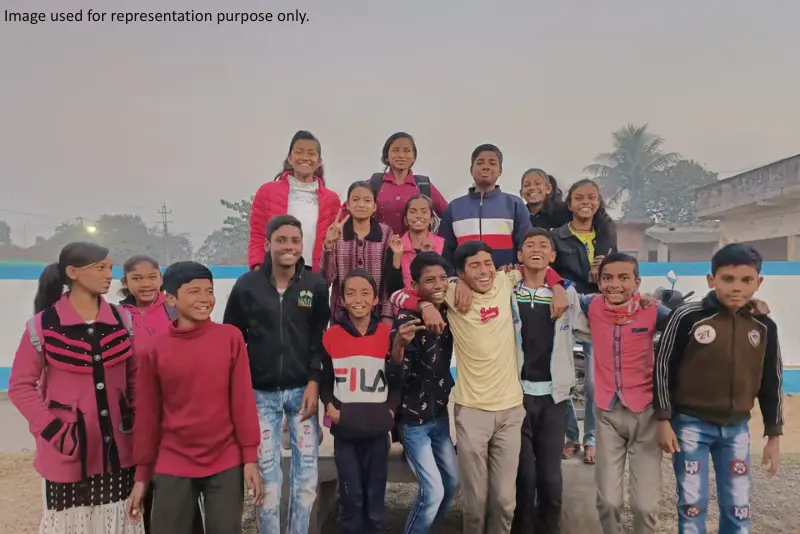
What is CRY UK doing to make a difference
CRY UK works at multiple levels to ensure that inclusion is not just an idea, but a lived reality for children:
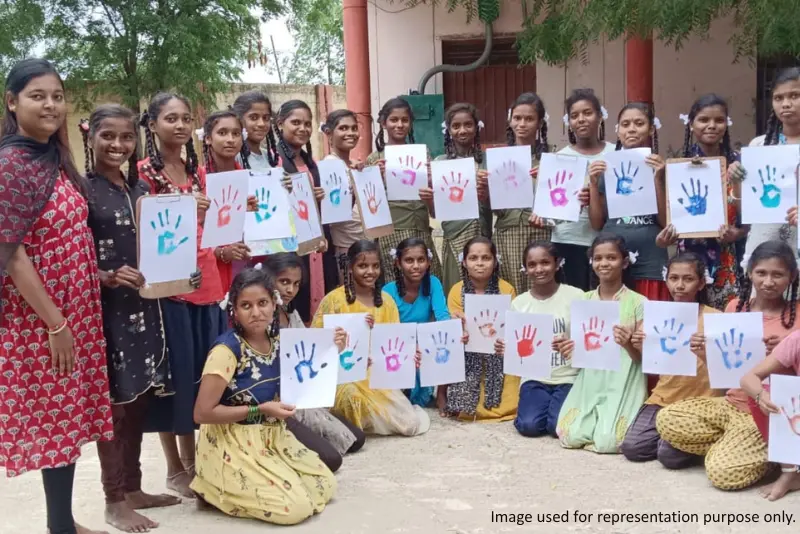
Inclusive education is not just about opening school doors; it is about ensuring that every child who walks through them feels valued, supported, and able to thrive. While progress has been made, many children still face barriers that prevent them from fully participating in their education and shaping their futures.
With your support, CRY UK can continue working alongside communities and schools to remove these barriers and create environments where children feel safe and truly belong. Support CRY UK today and help children grow with dignity and hope.
Across India today, children experience school through two very different realities. For some, learning extends beyond the classroom where doubts....
Read More
Have you ever noticed how eager children are to talk about their day at school? The excitement in their voices as they share what they learned, w....
Read More