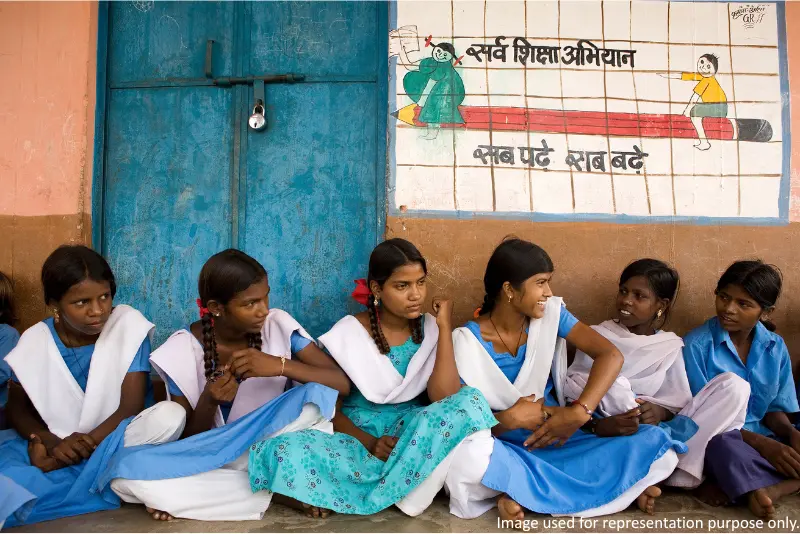
What empowerment looks like for underserved girls in rural India
For millions of girls in rural India, empowerment can mean the difference between a life shaped by circumstance and one where they are able to ma....
Read More
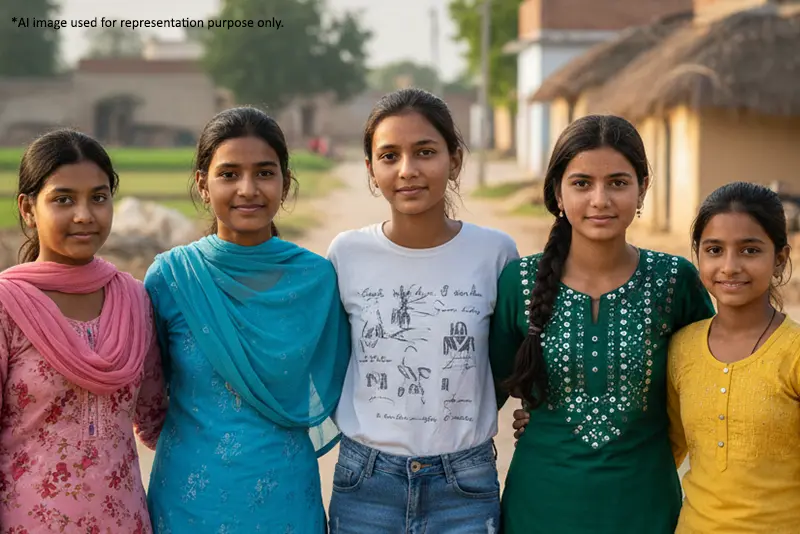
Child marriage continues to threaten the dreams of millions of children in India, especially girls. Rooted in poverty, lack of awareness, and long-standing social norms, early marriage is often seen by families as a way to protect their daughters or reduce financial strain. But in truth, it takes away their childhood, their education, and their freedom to choose the life they deserve.
At CRY, we believe that education is the most powerful way to break this cycle. When a girl continues her education, she gains more than knowledge; she gains confidence, courage, and the ability to make her own choices.
Two such girls, Aarti* and Diya*, once stood on the edge of losing their dreams to early marriage. But with timely support and guidance from CRY, they found their way back to education and self-belief.
Aarti, from North India, had to drop out after 10th grade. The junior college was far from home, there was no safe transport, and she had to care for her younger siblings while her parents struggled financially. When CRY’s project team noticed her absence from children’s sessions, they visited her home and discovered that her parents were planning to marry her off early.
They saw in Aarti something her family could not see, a bright and confident leader with enormous potential. She had performed exceptionally well in her board exams and was leading CRY’s Children’s Collective with maturity and dedication. The team counselled her parents about the importance of continuing her education and the long-term harm caused by early marriage. When her parents expressed worries about costs and safety, CRY assured them that scholarships and a government hostel would take care of both.
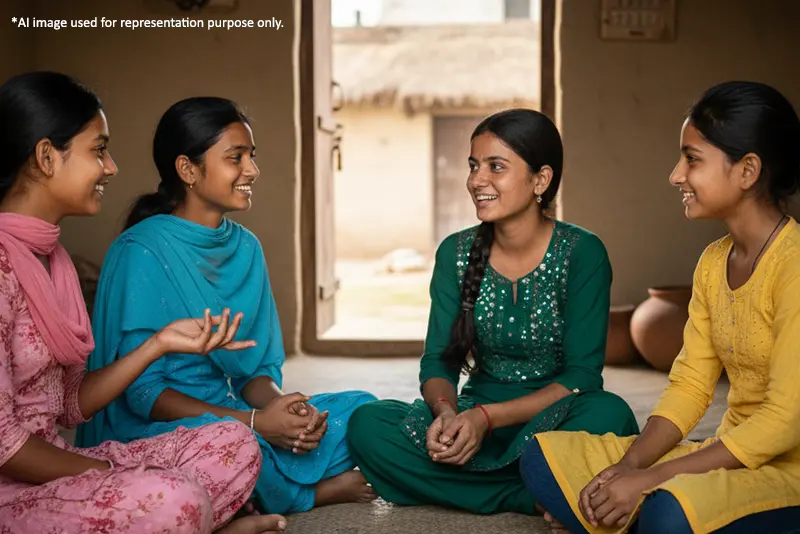
To make sure the marriage was stopped completely, the team, along with community members, also spoke with the boy’s family and helped them understand the legal and health risks involved in marrying a minor. After many conversations, the families agreed to cancel the marriage.
Today, Aarti is studying History, Economics, and Commerce (HEC) at a junior college in Tirupati. Living safely and independently, she is confidently working toward her dream of becoming a police officer, a protector not only of people but also of her own future.
Hundreds of miles away, in the peaceful coastal village of Giripuram in Andhra Pradesh, lived Diya*, another young girl fighting her own battle. Her village, where most families depend on fishing for a living, has only a small primary school and an Anganwadi Centre. For children to study beyond 5th grade, they must travel long distances, a challenge that forces many to drop out, especially girls.
Diya’s family was struggling financially. Her older brothers had already left school to work, and soon her parents asked her to do the same, to help at home and make basil garlands to earn extra income. Eventually, they decided to arrange her marriage, believing it was the only way to ensure her safety and stability.
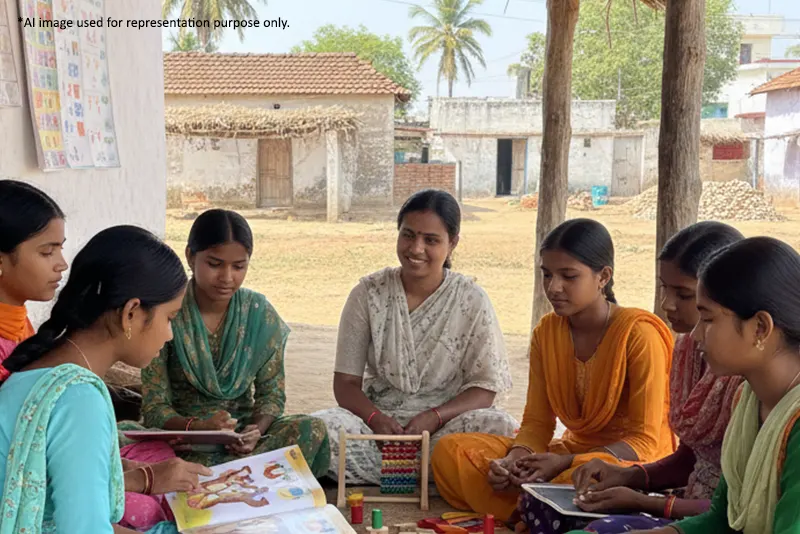
But Diya had other dreams. She wanted to study and build a better future for herself. Gathering courage, she shared her fears during a CRY Children’s Collective meeting. The team immediately took action, speaking with her parents, the school, and community leaders. They explained the dangers of child marriage and the lasting impact of education.
At first, her parents were reluctant. But over time, through gentle conversations and patient guidance, they began to see how education could truly change their daughter’s life.
With CRY’s support, Diya rejoined school and is now back in 10th grade, dreaming of a life that is truly hers to choose.
Aarti and Diya’s journeys are living examples of how the course of a child’s life can change with the right guidance and timely intervention. Yet there are still millions of girls like Diya and Aarti waiting for that chance at education. Your contribution to CRY UK can help more children continue their education, escape early marriage, and grow up to write their own stories of courage and choice.
*Name changed to protect identity
For millions of girls in rural India, empowerment can mean the difference between a life shaped by circumstance and one where they are able to ma....
Read More
Across India today, children experience school through two very different realities. For some, learning extends beyond the classroom where doubts....
Read More