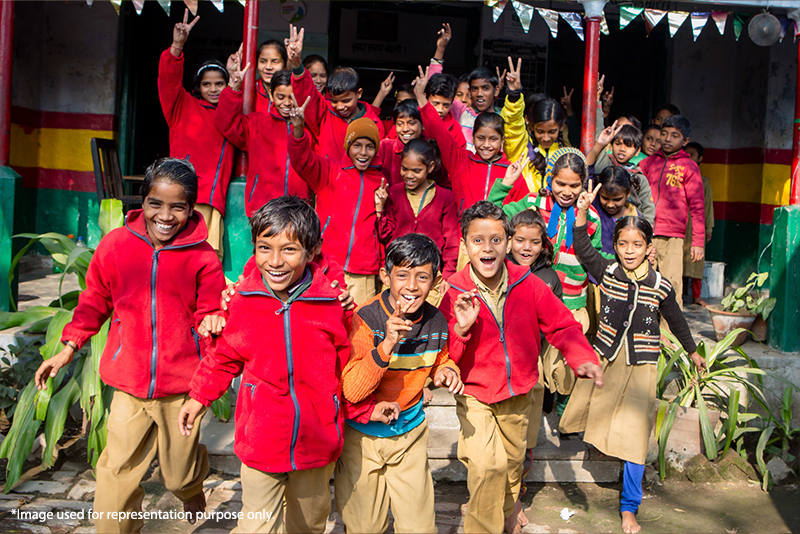
The Importance of CRY’s Children Collectives: Empowering Young Voices for a Better Future
In a world where children's voices often go unheard, CRY’s Children Collectives serve as vital platforms for empowerment and advocacy. These co....
Read More
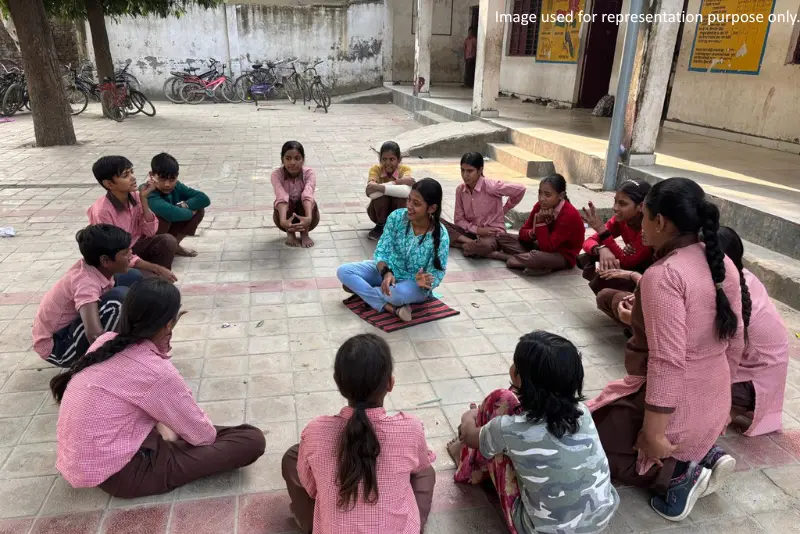
Imagine having something important to say, but not always having a space where someone will listen. For children, being heard can shape how they see themselves, the choices they see as possible, and the spaces they grow up in. Yet, decisions about children’s lives are often made without their perspectives being part of the conversation.
Child participation begins with recognising that children have views, experiences and ideas worth listening to. When given the space to express them, children can contribute in ways that can shape their own lives and the communities around them.
Let’s explore why children’s voices matter, and what it takes to create spaces where they can be heard.
What is child participation
Child participation is about creating meaningful opportunities for children to express their views and have those views considered in decisions that affect them. It can happen in everyday spaces, from family conversations and schools to community groups and local forums.
It does not mean that children make every decision themselves. Rather, it means recognising that their experiences and perspectives have value, and giving them an appropriate opportunity to contribute.
What does participation mean for children themselves?
Being heard can also shape how children see their own ideas and abilities. When adults listen respectfully, children begin to understand that their experiences matter and that they can contribute to the spaces around them. Let’s understand how children’s voices create a difference in their lives:
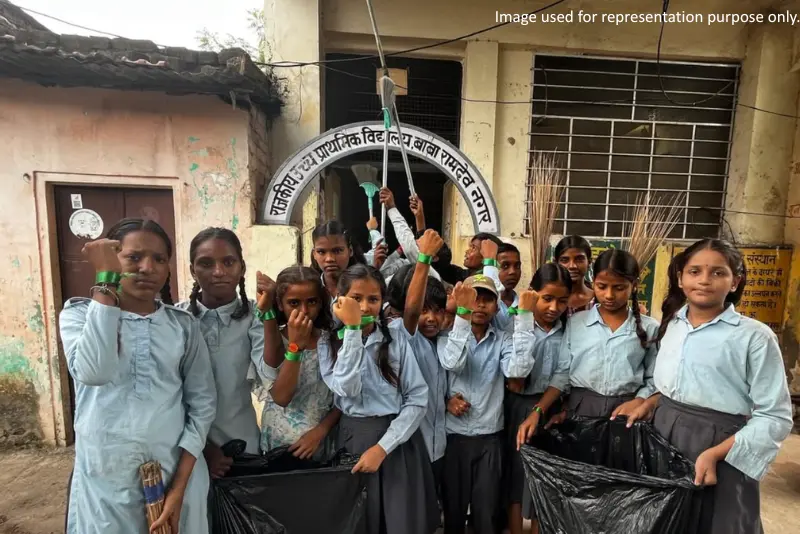
Where can children have a say?
Child participation can begin in the everyday spaces where children learn, live and interact. Families, schools and communities can create opportunities for children to express their views on decisions and issues that may create barriers in their everyday lives. Let’s find out the ways children can participate:
Challenges to child participation
Not every child has the same opportunity to speak or be heard. Age, gender, poverty, disability, discrimination, language and social attitudes can all influence whose voices are given space.
Sometimes, adults may assume that children are too young to understand important issues. Children may also hold back because they fear being criticised or feel that their views will not change anything. Some may not yet have the confidence or vocabulary to identify what they are experiencing or put their thoughts into words. Others may not know that they have the right to express their views or that their opinions deserve to be heard.
Creating opportunities to participate, therefore, is only the first step. Children need safe spaces, encouragement and support to understand their rights, express their views and know that they will be listened to with respect.
What is CRY UK doing to strengthen children’s voices?
At CRY, we believe child participation is one of the key pillars in helping children recognise their rights, find the confidence to express their views and come together to speak for change.
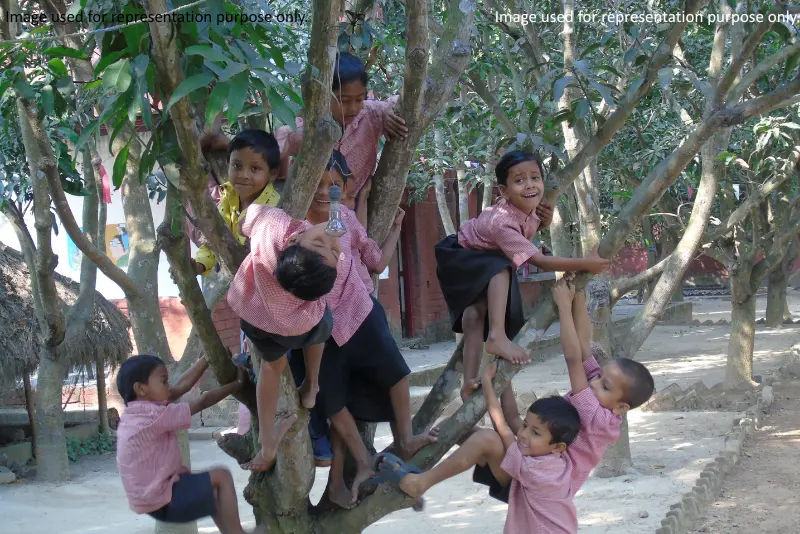
Conclusion
A community that listens to its children makes space for their experiences, ideas and aspirations. Support CRY UK in creating spaces where children can find their voices, come together and participate in building a more equitable and sustainable future.
In a world where children's voices often go unheard, CRY’s Children Collectives serve as vital platforms for empowerment and advocacy. These co....
Read More
Minakshi, a first generation learner secured 84% marks in the recently declared board examination results. The story of Minakshi, from nearly bei....
Read More