Importance of school readiness for underserved children in India
School readiness is about more than a child’s first day at school. It reflects whether children have the basic skills, health, and support they....
Read More
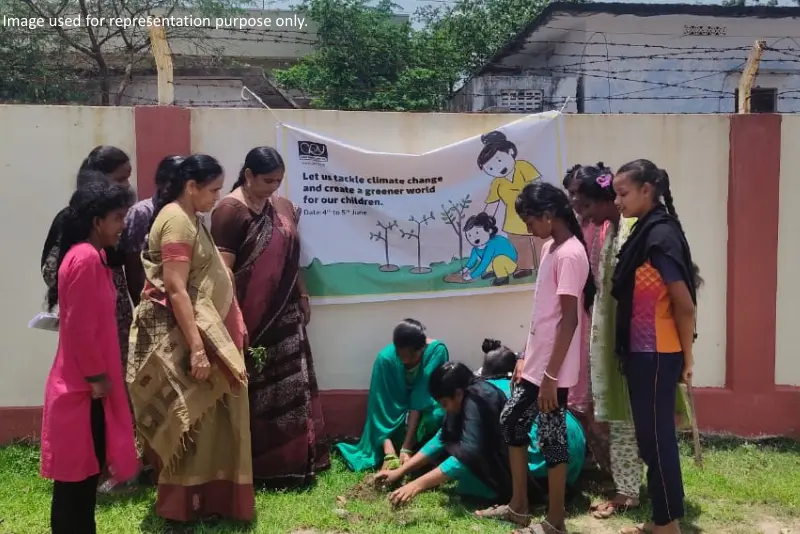
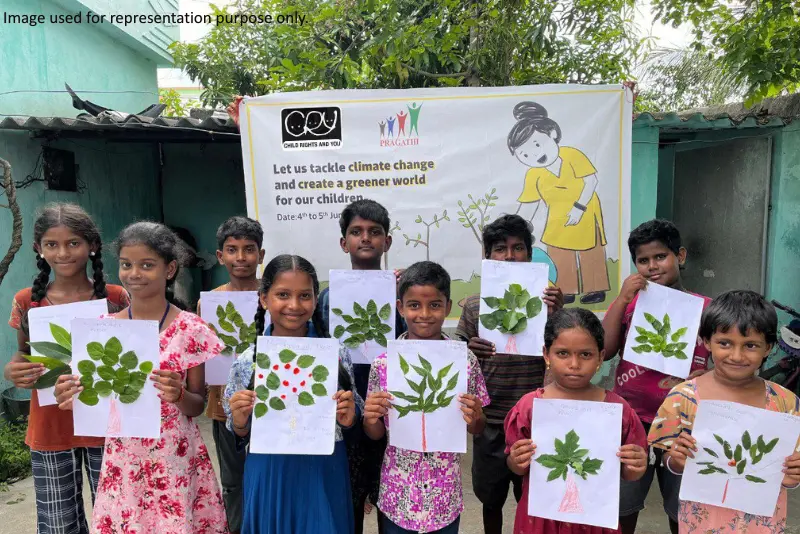
What happens when a child’s classroom becomes too hot to learn in? Or when the road to school disappears under floodwater?
For many children growing up in underserved communities, these are not isolated events. They are part of a changing climate that is reshaping everyday life. Climate change is not only about rising temperatures or stronger storms. It can determine whether there is enough food on the table, whether a school remains open, whether a family can afford healthcare or whether a child gets to stay in school.
In this blog, let’s explore what climate change means for children growing up in underserved communities, why marginalised families are hit harder than others, and what repeated climate disruptions mean for children’s ability to stay in school.
How climate change is affecting childhoods in marginalised regions
Climate change does not create every challenge children face. But it can make existing inequalities harder to escape. In 2026, CRY’s RaKe team studied climate vulnerable communities across Tamil Nadu, Andhra Pradesh, Telangana and the Andaman & Nicobar Islands, where families reported erratic rainfall, floods, cyclones, heatwaves, rising sea levels, damaged infrastructure, changing livelihoods, migration and disrupted healthcare.
These changes can affect children in less visible ways. When incomes become uncertain, access to food and healthcare can suffer. Schooling can be disrupted by damaged infrastructure or migration. And as household and societal pressures grow, children may face greater risks of dropping out, child labour and child marriage.
Why climate change deepens inequality
The ability to recover from climate related disruptions often depends on a family’s income, livelihood and access to essential services. Families dependent on farming, fishing and other climate sensitive work often face greater challenges when these livelihoods are disrupted. For children, this often affects their health, nutrition, education and stability. Let’s understand how:
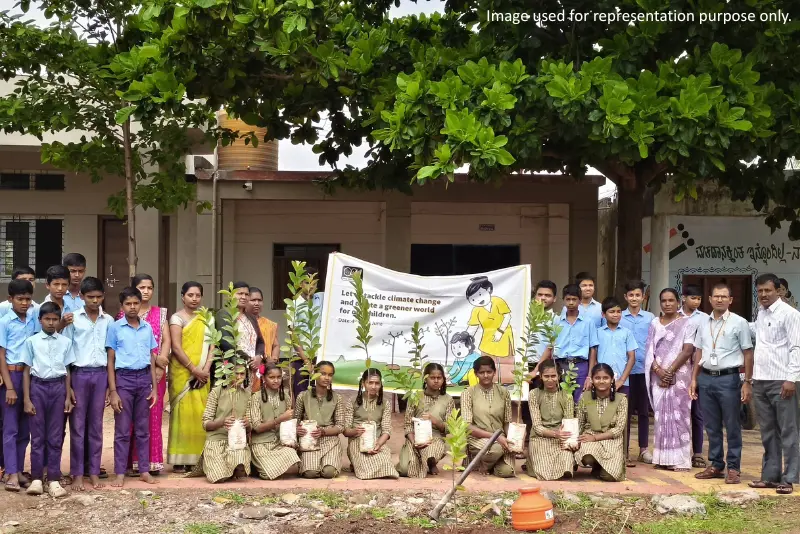
How climate change can make staying in school harder
Climate related disruptions can add to the barriers children already face in accessing and staying in school. The impact often extends beyond temporary school closures. Let’s understand how:
Conclusion
CRY works with children, families and communities to strengthen the systems that protect children’s health, education, nutrition and safety, helping them better cope with climate challenges. Support CRY UK to ensure happier and healthier childhoods.
School readiness is about more than a child’s first day at school. It reflects whether children have the basic skills, health, and support they....
Read More
In many underserved communities, childhood often gives way to responsibility too early. A child’s day may begin with work, caring for siblings,....
Read More