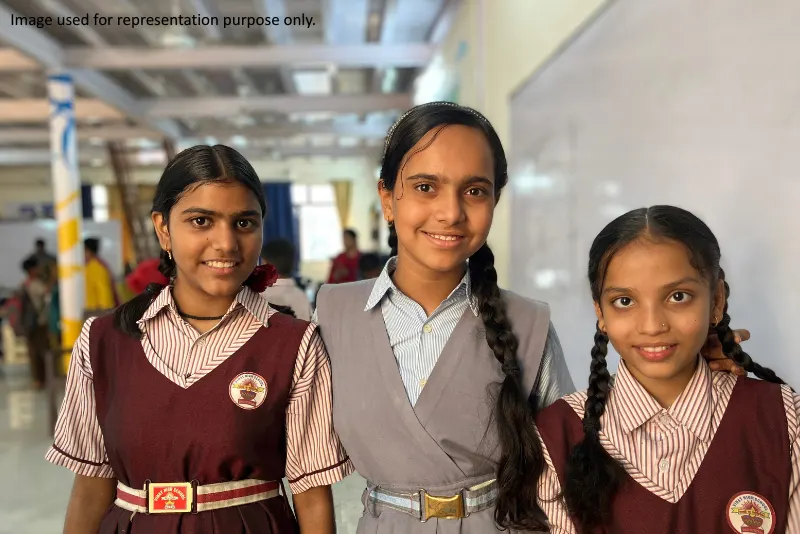
What starts to change when girls stay in school?
For many underserved girls in India, childhood ends too soon. Housework, caregiving, labour, and early marriage consume the years meant for learn....
Read More
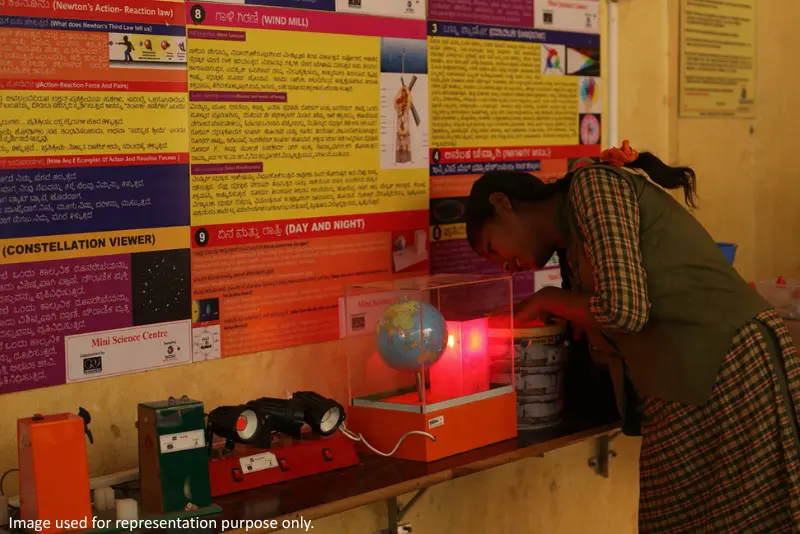
For many children, learning begins and ends with textbooks, definitions, and exams. But real understanding often comes from something far more engaging. Being able to explore, question, and experience concepts first hand. For children growing up in underserved communities, this kind of learning is rarely accessible. Learning spaces are often centred around memorisation, leaving little room for curiosity or discovery.
This is where experiential learning offers a more engaging approach, enabling children to interact directly with concepts and learn through hands-on experience. In this blog, we’ll explore what experiential learning means, its role in Science, Technology, Engineering, and Mathematics (STEM) education, and how CRY UK is working to bridge this gap for underserved children in India.
Understanding experiential learning
Experiential learning is learning through experience. Instead of only reading or being told something, children actively engage in activities, reflect on what they observe, and apply those insights in new situations.
It follows a simple but effective cycle of doing, reflecting, understanding, and applying. Over time, this not only strengthens conceptual clarity but also builds confidence in using knowledge in real-life contexts.
Types and examples of experiential learning
In underserved communities, experiential learning is not just a method, it becomes a way for children to connect education with their lived realities.
Solving everyday challenges
For children in underserved communities, experiential learning goes beyond simply understanding concepts, it connects closely to the realities they witness and the ways they can respond to them. Here are some types, along with relevant examples of experiential learning.
Project-led exploration
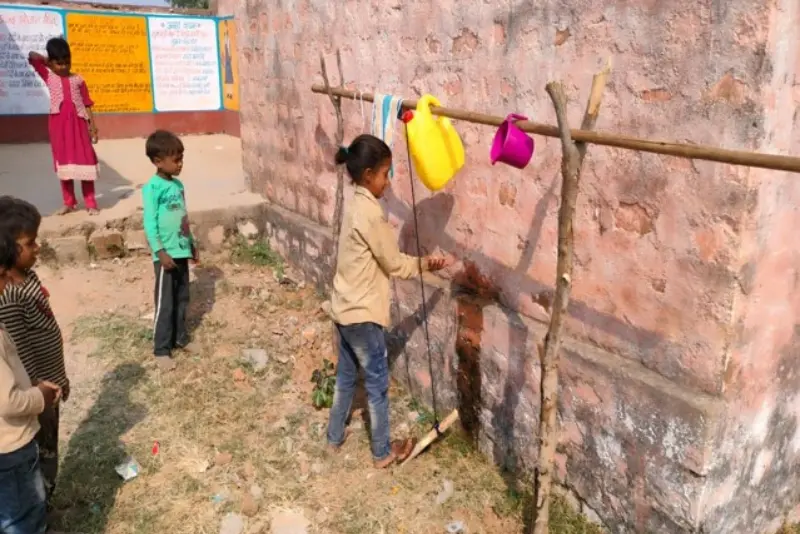
Learning becomes tangible when children build something themselves. Creating a low-cost handwashing station, for example, introduces them to basic engineering concepts while reinforcing hygiene practices.
Learning from the environment
Observing farming patterns, soil quality, or waste management in their community helps children understand environmental science in a way that feels real.
Working and thinking together
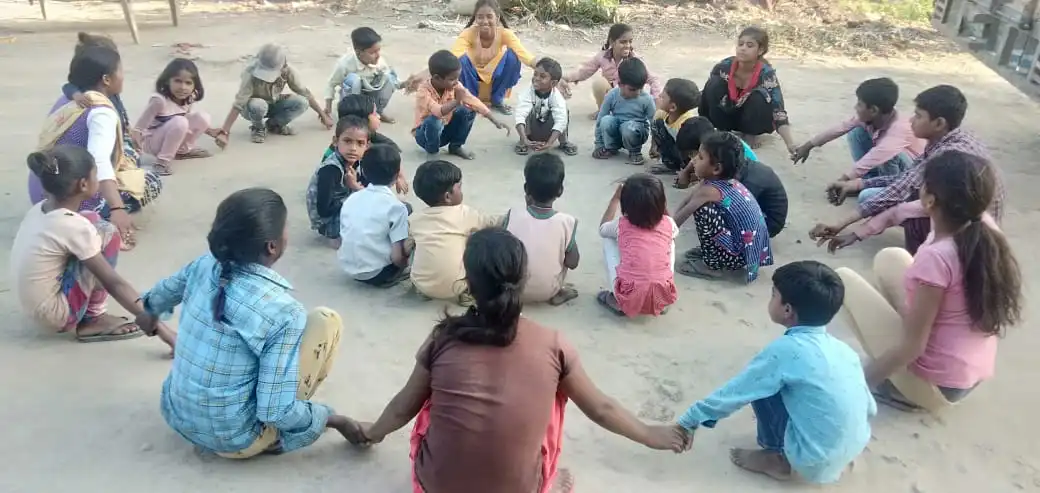
Group-based problem solving encourages collaboration. Whether it’s improving home lighting using simple circuits or exploring solar alternatives, children learn to share ideas and refine them collectively.
Repair, reuse, rethink
Fixing broken items or repurposing materials teaches children how things function, while also building an early understanding of sustainability.
Why this approach compliments STEM
STEM subjects are designed to explain how the world works, but when taught only through theory, they can feel distant and difficult to grasp.
Experiential learning changes that. When children build models, test ideas, and observe outcomes, abstract concepts begin to make sense. Curiosity grows naturally, leading them to ask questions, experiment further, and think critically. This process strengthens not just academic understanding, but also problem-solving skills and independent thinking capabilities that extend far beyond the classroom.
Barriers to quality STEM education in rural India
Despite its importance, meaningful STEM learning remains out of reach for many children due to systemic challenges:
How CRY UK supports experiential STEM learning
While implementing STEM education remains a real challenge especially in underserved communities due to lack of resources, skilled manpower, and financial constraints, CRY UK continues to empower children through skill-based, hands-on learning.
Their approach not only nurtures creativity but also inspires children to become future innovators and change-makers, uplifting their own communities and beyond through curiosity and experimentation.
Conclusion
STEM based learning equips children from underserved communities with the skills and confidence to navigate the future and address real world challenges around them. While this journey is ongoing, continued support from donors like you enables CRY UK to keep creating meaningful learning opportunities.
Together, we can nurture a generation of thinkers, innovators, and changemakers who will shape a more equitable future. Donate today and help children build lasting change within their communities and beyond.
For many underserved girls in India, childhood ends too soon. Housework, caregiving, labour, and early marriage consume the years meant for learn....
Read More
For many underserved children, staying in school is more than wanting to learn. It is a way of connecting with a world beyond their immediate ci....
Read More