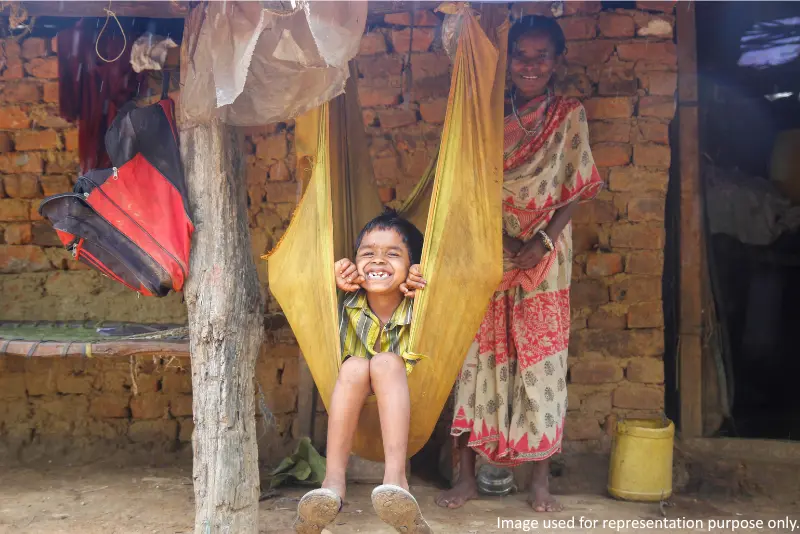
Violence against children remains a widespread and deeply concerning issue worldwide. According to UNICEF, 2 in 3 children regularly face violent punishment at home, while UNESCO reports that 1 in 5 children experience school violence and bullying each year globally. These realities underline the urgent need for strong child abuse prevention measures, especially within homes and schools, where children should feel safest.
In this blog, we explore the importance of child abuse prevention and the steps schools, parents, and communities can take to ensure children grow up safe and protected, and how CRY UK is building safe spaces for happier childhoods.
Understanding the importance of child abuse prevention
Child abuse prevention is fundamental to ensuring that children grow up in safe, supportive environments. Exposure to violence, whether physical or emotional, can have long-lasting effects on a child’s mental health, confidence, and ability to learn. Preventing abuse helps protect children’s physical, emotional, and psychological well-being, enabling them to thrive.
Schools and communities play a critical role by providing resources, raising awareness, and fostering open communication.
Signs of abuse
Recognising early warning signs is essential for effective child abuse prevention. Some common indicators include:
Role of schools in creating a safe environment
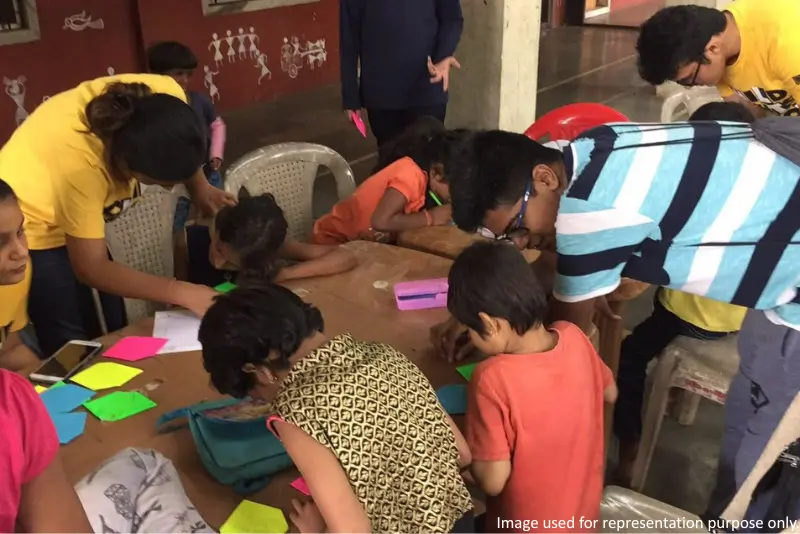
Creating a safe school environment goes beyond policies. It requires a culture where children feel respected, heard, and protected. Schools can take meaningful steps by:
How parents can make a difference
Parents play a crucial role in child abuse prevention by creating safe, nurturing home environments. Simple yet effective steps include:
Role of CRY UK in child abuse prevention
CRY UK works to protect children from abuse by addressing systemic vulnerabilities and advocating for children’s rights. Through collaboration with schools, communities, and institutions, CRY UK supports child protection initiatives such as teacher training, parent workshops, and awareness programmes.
By encouraging dialogue and strengthening community action, CRY UK helps create safe environments where children can grow, learn, and thrive free from fear and violence.
Conclusion
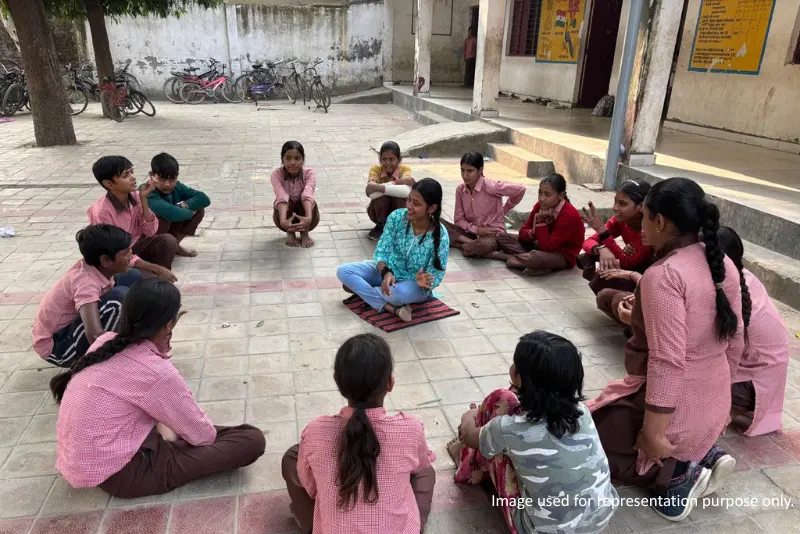
When schools, families, and communities come together in an inclusive and supportive way, children feel safe going to school, playing and moving freely in their neighbourhoods, and returning home with a sense of security.
Your support for CRY UK helps underserved children find safe spaces to stay in school, dream beyond the boundaries of their homes, and build a stronger future for themselves and their communities. Donate today to make a difference