What literacy gives a child beyond reading and writing
For a child, learning to read can open up more than the pages of a book. It can shape how children learn, communicate, understand the world aroun....
Read More
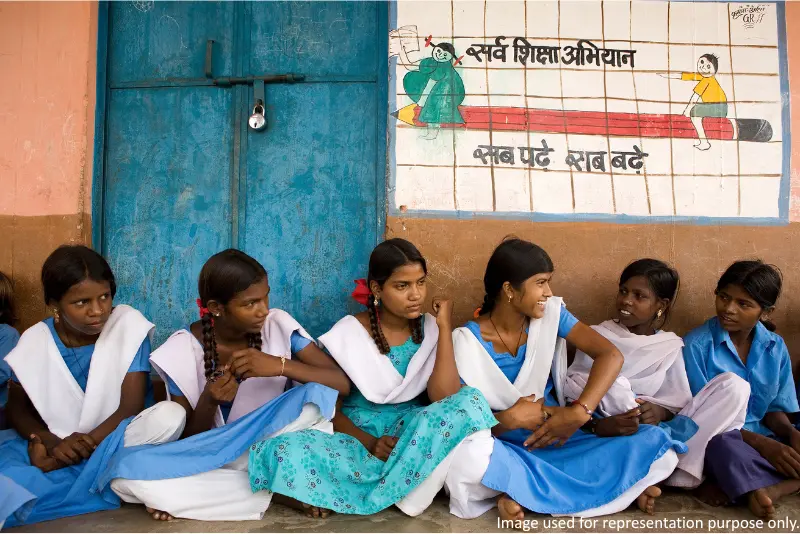
For millions of girls in rural India, empowerment can mean the difference between a life shaped by circumstance and one where they are able to make choices about their own futures. While progress has been made in improving access to education and healthcare, girls in underserved communities still face persistent barriers such as poverty, gender discrimination, child marriage, and limited opportunities.
When girls are supported to overcome these challenges, the impact extends beyond their individual lives to their families and communities as well. So what does empowerment really look like for underserved girls in rural India? Let’s explore what empowerment looks like on the ground.
Staying in school
For many girls, empowerment begins with the chance to continue their education. Across rural communities, girls often drop out of school because of household responsibilities, financial constraints, or early marriage. In some areas, the lack of safe transportation or separate toilets for girls further discourages attendance. When girls are able to stay in school, the impact is significant. Education builds knowledge and confidence. It can delay child marriage, improve future employment opportunities, and help girls make informed decisions about their lives. A girl who remains in school is far more likely to grow into a woman who can advocate for herself and her community.
Being heard
In many rural households, decisions about a girl’s education, health, or marriage are made without her participation. Giving girls the space and confidence to express their opinions, and ensuring adults listen, is a critical step toward equality.
When girls participate in children’s groups, and community discussions, they begin to see themselves as active members of society rather than passive observers. Their voices challenge harmful norms and inspire other girls to speak up too.
Growing up before marriage
Although progress has been made, child marriage continues to affect many girls in parts of rural India. For a girl forced to marry early, education ends, independence disappears, and her health and safety are often placed at risk. Empowerment means ensuring girls have the right to grow up before taking on adult responsibilities.
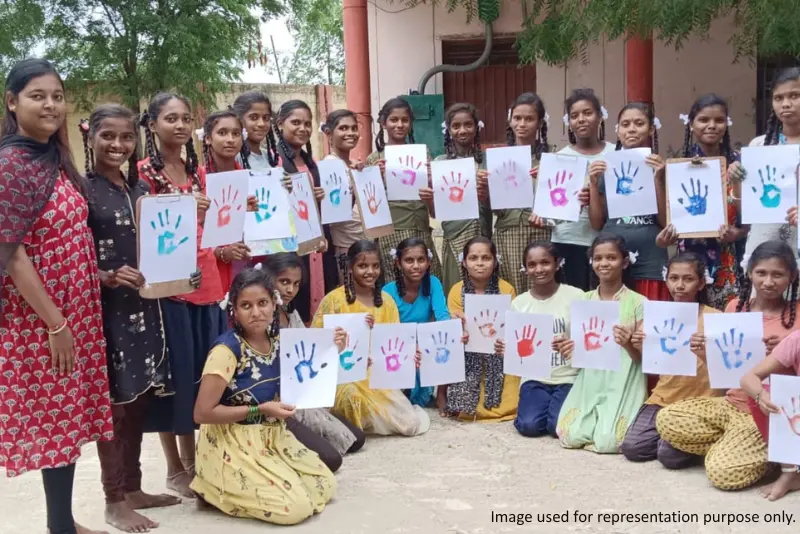
When communities understand the value of educating daughters and when systems are in place to prevent early marriage, girls gain the freedom to shape their futures whether that means becoming teachers, nurses, entrepreneurs, or leaders in their communities.
Understanding their health and wellbeing
Empowerment also means that girls can take care of their own bodies and wellbeing. Many adolescent girls in rural areas grow up with limited access to healthcare or information about nutrition, hygiene, menstrual and reproductive health.
When girls receive this knowledge and support, they gain confidence in understanding their bodies, making healthy choices, and seeking help when needed. Healthy girls are better able to continue their education, participate in community life, and pursue their aspirations.
Learning before earning
In some households, economic pressures mean that children begin contributing to family income at a young age. While supporting their families is often seen as necessary, early work can interfere with education and limit long-term opportunities. Encouraging families to prioritise education helps ensure that girls develop the skills and knowledge they need before entering the workforce
The confidence to imagine a future
One of the most powerful signs of empowerment is when a girl begins to imagine a future beyond the limitations she was born into. In communities where girls were once expected only to manage households, they are now speaking about becoming doctors, engineers, athletes, teachers, and police officers. That shift from silent acceptance to bold aspiration is where real change begins. Because when a girl believes she deserves a future full of possibilities, she begins to claim it.
How CRY UK is empowering girls to reclaim their rights
Empowerment does not happen in isolation. It grows when families, communities, and charities work together to create environments where girls can learn, speak up, and make informed choices about their lives.
Through partnerships with grassroots initiatives in India, CRY UK works to address some of the barriers that prevent girls from accessing their rights. This includes supporting communities to ensure that girls stay in school, complete their education, and are protected from early marriage.
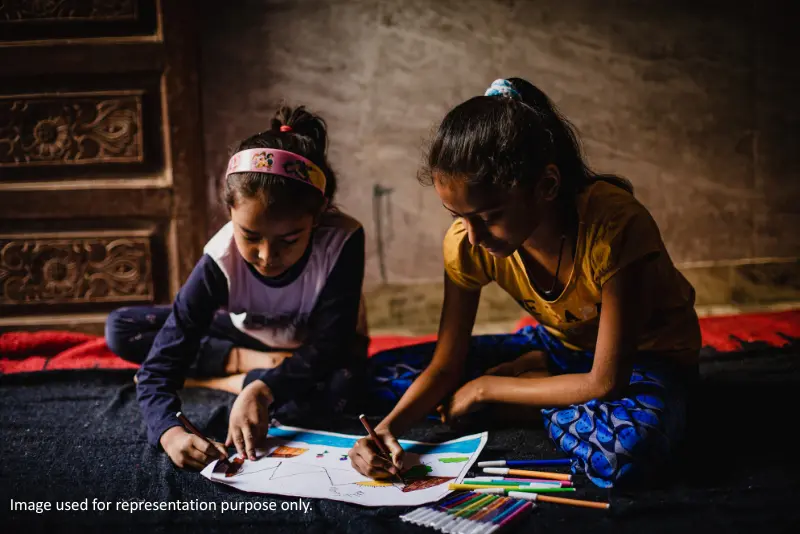
CRY also helps create safe spaces for girls through the formation of Adolescent Girls’ Collectives, where they can learn about menstrual and reproductive health, understand the importance of nutrition, and support one another in navigating everyday challenges. These spaces encourage girls to ask questions, share experiences, and build confidence.
In addition, Life Skills sessions help girls develop critical thinking, communication skills, and the confidence to form their own opinions. Over time, these experiences help girls recognise their potential and begin turning their aspirations into real opportunities.
Conclusion
With sustained support, more girls can continue their education, stay informed, and move toward futures they choose for themselves. While International Women’s Day celebrates the achievements of women around the world, it also reminds us that many girls are still working toward rights that should never be out of reach. Donate to CRY UK and help more girls access the opportunities they deserve.
For a child, learning to read can open up more than the pages of a book. It can shape how children learn, communicate, understand the world aroun....
Read More
What happens when a child’s classroom becomes too hot to learn in? Or when the road to school disappears under floodwater? For many children....
Read More