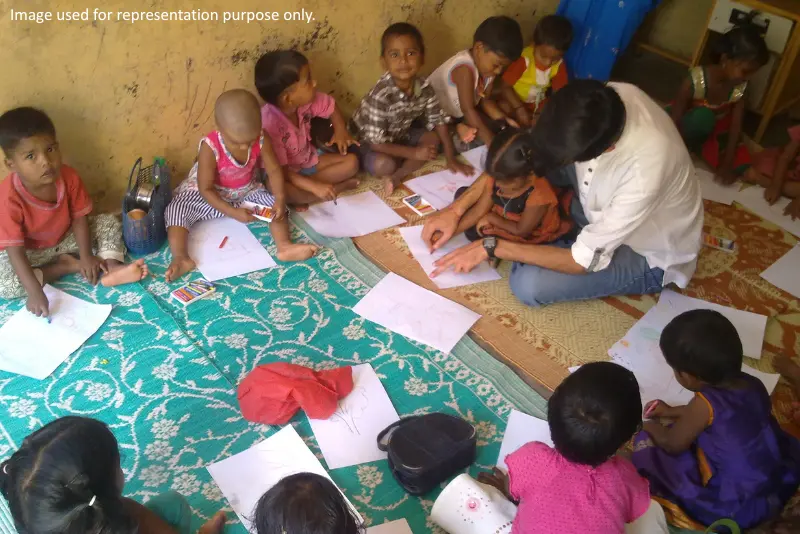
What literacy gives a child beyond reading and writing
For a child, learning to read can open up more than the pages of a book. It can shape how children learn, communicate, understand the world aroun....
Read More

Have you ever noticed how eager children are to talk about their day at school? The excitement in their voices as they share what they learned, who they played with, or something new they tried. Often, what they want most is simple attention. Someone to listen, and someone to care.
When parents take that time, even in small ways, children become more confident, more curious, and more willing to try. They are more likely to attend school regularly, stay engaged in class, and build a positive relationship with learning.
In this blog, let’s explore why parents play such an important role in education and how encouraging their involvement, especially in underserved communities, helps children and communities grow together.
Why parental involvement in education matters
A child’s learning journey is shaped as much by what happens at home as by what happens in the classroom. When parents are involved, children feel supported emotionally and practically. Here’s how it makes a difference:
How parents can support their child’s education
Parents do not need special training or advanced education to play a meaningful role. What matters most is presence and consistency. Here are some simple ways parents can support their children.

Encouraging parental involvement in underserved communities
In many underserved communities, families face challenges such as poverty, migration, child labour, or early marriage. These pressures often interrupt children’s education. When parents are supported to stay involved, children are more likely to remain in school. Here are five ways communities can encourage parental involvement and protect every child’s right to learn.
How parents became partners in change with CRY UK
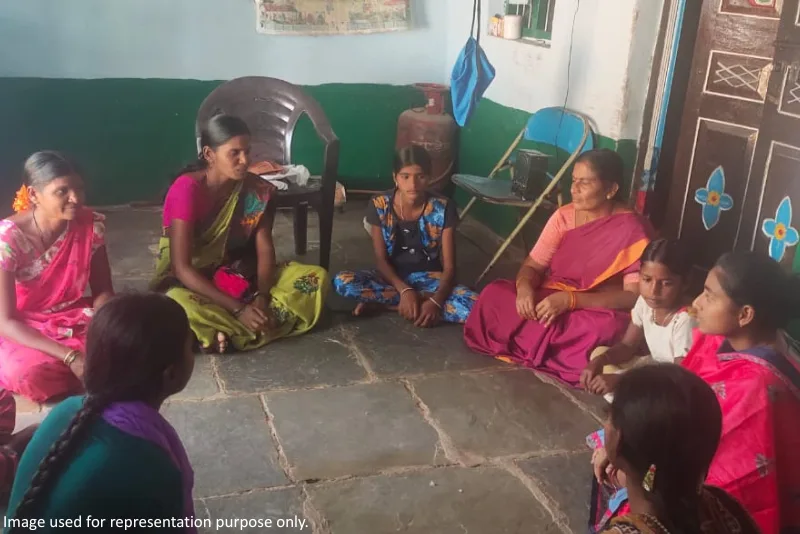
In a village in North India, the transfer of two teachers left children without regular classes. Attendance dropped and learning suffered. Parents noticed their children losing interest and falling behind.
With support from the CRY team, parents formed groups and worked with the School Management Committee to raise their concerns. Guided by the CRY team, they approached local authorities and followed up persistently.
Their efforts led to the appointment of two new teachers. Today, 63 children are back in classrooms, learning with confidence and continuity. This change was possible because parents believed their voices mattered.
Conclusion:
Every child has the right to quality education. Parental involvement is one of the strongest ways to protect that right. In underserved communities, the challenge is not a lack of care or commitment from parents, but a lack of awareness and support.
When parents are informed and aware, their belief in education shapes their children’s futures and strengthens entire communities. CRY UK works alongside families and communities to ensure children stay in school, feel supported, and are given the chance to reach their full potential.
Donate now to CRY UK and help give children the freedom to learn, grow, and dream without limits.
For a child, learning to read can open up more than the pages of a book. It can shape how children learn, communicate, understand the world aroun....
Read More
What happens when a child’s classroom becomes too hot to learn in? Or when the road to school disappears under floodwater? For many children....
Read More