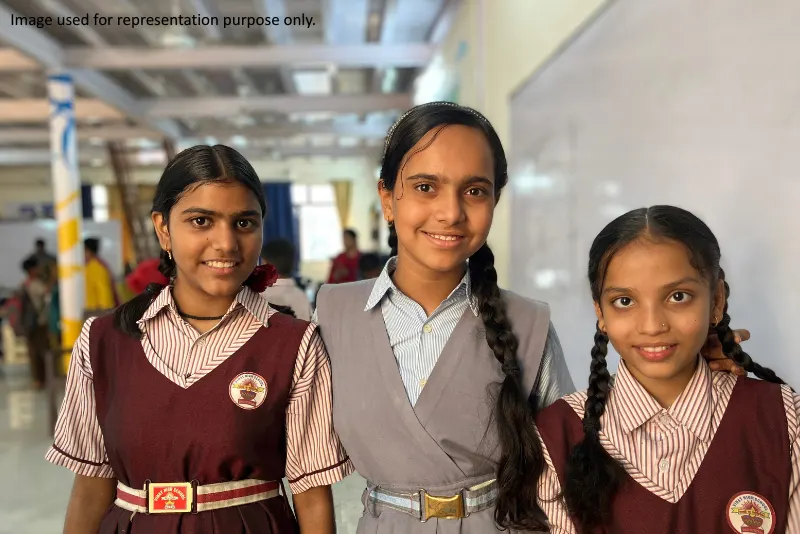
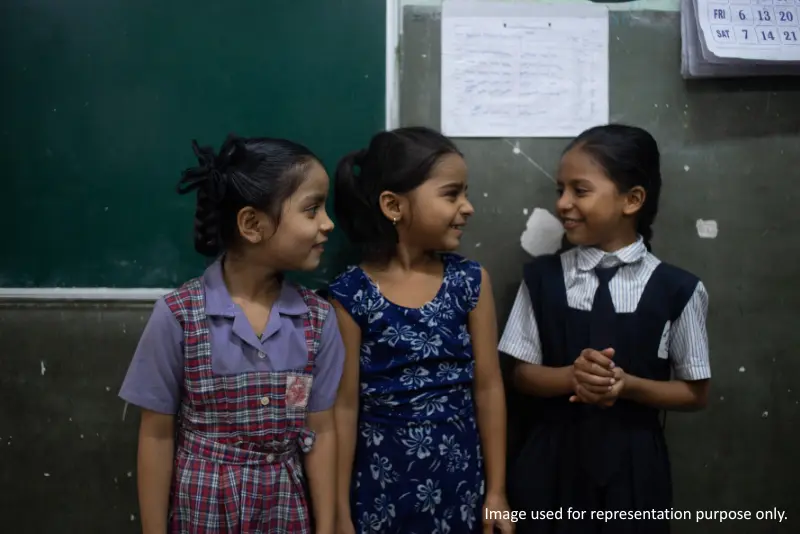
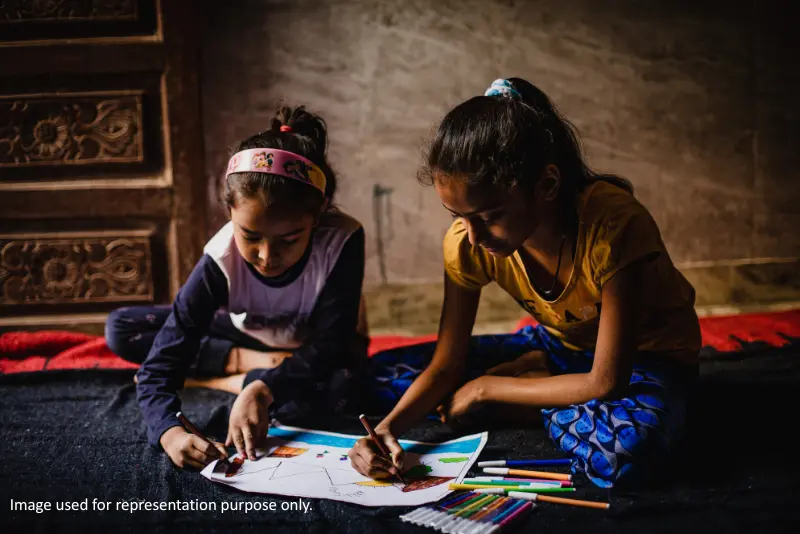
For millions of girls across India, school is more than a place of learning. It is where they form friendships, discover their strengths, and imagine futures full of possibility. But for many girls living in underserved communities, this simple right is often interrupted, delayed, or denied altogether.
Behind every girl who drops out of school are social expectations, economic pressures, and structural gaps. Understanding these forces helps us see the bigger picture, not just the challenges girls face, but what must change to ensure every girl has a fair chance to learn.
Gender inequality: When girls’ education is still seen as optional
In many households, educating girls is viewed as secondary. Boys are often seen as future breadwinners, while girls are expected to eventually manage households. This mindset shapes decisions long before a girl enters adolescence, affecting how much she studies, how often she attends school, and how long she stays enrolled. To change this, families and communities must value girls’ education equally and support them to stay in school.
Survival needs: When work replaces learning
Families facing hardship often rely on girls to help earn or support the household. Many girls work long hours in farms, homes, or local shops, leaving no time or energy to attend school.
When a child is pushed into labour, she is imposed with a future rather than given the chance to choose her own. Providing families with support and alternatives ensures girls can focus on education instead of work.
Early marriage: When girls are seen as a financial burden
In many communities, marrying a girl early is seen as a way to secure her future or reduce economic responsibility. But early marriage ends her education. Once married, a girl is expected to manage the home, care for family members, and take on the responsibilities of adulthood long before she is ready. Her learning stops, and a cycle of dependence continues. Delaying marriage and encouraging girls to complete school gives them the chance to build a future of their choice.
Limited access: Distance, poor infrastructure, and safety concerns
When learning environments feel unsafe, inaccessible, or undignified, girls are the first to be withdrawn. Many girls live far from secondary schools, with no safe transport to get there. For adolescent girls, long walks along poorly lit or deserted roads pose real safety risks. In other cases, schools themselves lack basic infrastructure, especially separate and functional toilets leading to irregular attendance. Improving school access, safety, and facilities allows girls to attend regularly and learn with dignity.
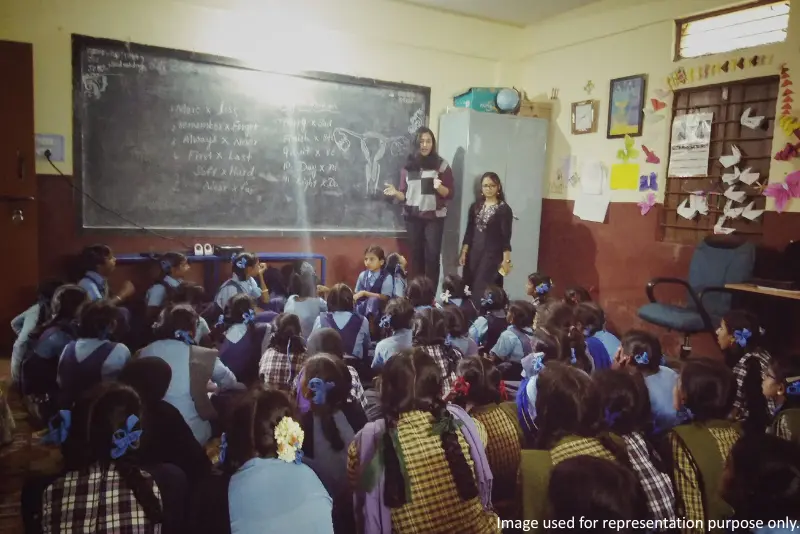
Menstrual health barriers: Myths and poor hygiene practices
A lack of awareness about menstrual health, combined with limited access to sanitary products, forces girls to miss several days of school every month. Many face stigma, restrictions, or bullying, making school feel uncomfortable or unsafe during their periods. Over time, these small absences add up, leading to learning gaps and eventually dropping out. Ensuring access to menstrual products, clean toilets, and proper awareness helps girls continue their education without interruption.
Household responsibilities that leave little time for studies
This often stems from gender inequality. From a young age, girls are expected to care for family members and manage household chores. With so many responsibilities weighing on them, they are often left with little time or energy to pursue their education, even when they dream of learning and growing. Sharing household duties allows girls the time and space to focus on school and their dreams.
Lack of female teachers making school feel less supportive
Many rural schools lack female teachers, making girls hesitant to share concerns about safety, menstrual health, or bullying. Without women teachers, school feels unsafe and families are often reluctant to send their daughters at all. Having more female teachers ensures girls feel supported, safe, and encouraged to stay in school.
Restrictive norms that limit movement and independence
As girls enter adolescence, families often restrict their movement outside the home. Concerns about safety, reputation, or social judgment can keep girls from travelling alone or attending school regularly. These limits slowly shrink their world and create barriers that boys rarely face. Challenging restrictive norms and allowing girls freedom to move safely gives them the confidence to learn and grow.
Conclusion:
A girl’s education is her right and the foundation of her future. When the barriers around her are removed, she gains the freedom to study, dream, and shape her own path. With your support, we can help break these barriers and create brighter futures for girls and their communities.
Support CRY UK to strengthen girls’ education and give every girl the chance she truly deserves.
What starts to change when girls stay in school?
For many underserved girls in India, childhood ends too soon. Housework, caregiving, labour, and early marriage consume the years meant for learn....